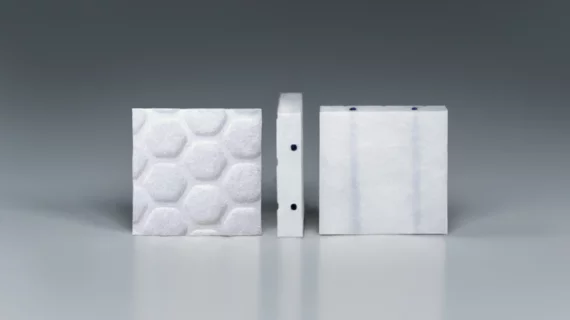
Compared with postoperative stereotactic radiation therapy, an investigational intraoperative RT approach could significantly reduce local tumor recurrence and improve survival in patients with newly diagnosed operable brain metastases.
New findings could shift the standard approach to preventing brain metastases in SCLC, particularly as modern MRI allows clinicians to detect and treat brain disease earlier.
The imaging agent could potentially help doctors characterize a malignancy's aggression and identify lesions with a higher likelihood of invasion or metastasis.
A new review led by UCLA researchers examines the utility of commercially available AI tools for screening mammography and evidence surrounding their ability to detect interval cancers.
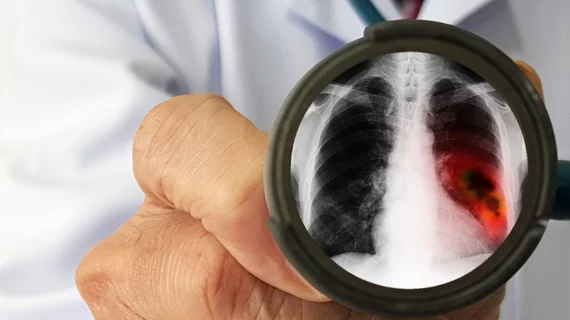
When it comes to assessing patients with suspected pulmonary embolism, contrast-enhanced CT pulmonary angiography has no diagnostic edge over a certain free-breathing, unenhanced MRI perfusion protocol.
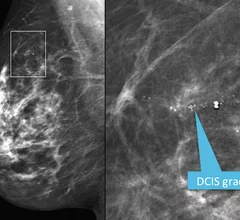
New research suggests that the tissue environment where microcalcifications of the breast are formed could hold clues into how breast cancer progresses.
Given the less invasive nature of focused ultrasound procedures, researchers suggest that it could open the door for disease management options catered to a wider variety of patients.
Many radiation oncologists are not formerly trained in imaging interpretation, and radiologists’ collaborative participation in care planning can help to catch errors, experts wrote recently.
While the studies on these systems have proven them to be effective in diagnosing and treating COVID in specific cohorts, the varying settings in which they were used can make it difficult to derive definitive conclusions on their efficacy.
A new study utilizing multi-organ MRI scans recently identified organ impairment in 62% of COVID long haulers six months after their initial diagnosis; 29% of these individuals continued to display damage in at least one organ at the 12-month mark.
Quantifiable features of medical images such as pixel intensity, arrangement, color and texture—in a word, radiomics—can help radiologists improve diagnostic accuracy.