Compared with postoperative stereotactic radiation therapy, an investigational intraoperative RT approach could significantly reduce local tumor recurrence and improve survival in patients with newly diagnosed operable brain metastases.
New findings could shift the standard approach to preventing brain metastases in SCLC, particularly as modern MRI allows clinicians to detect and treat brain disease earlier.
The imaging agent could potentially help doctors characterize a malignancy's aggression and identify lesions with a higher likelihood of invasion or metastasis.
A new review led by UCLA researchers examines the utility of commercially available AI tools for screening mammography and evidence surrounding their ability to detect interval cancers.
Rather than administering radiolabeled glucose for exams, imagers give patients a small amount of a harmless glucose solution that is said to be equivalent to a can of a carbonated drink.
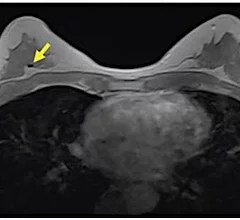
A team of experts recently developed the new system to differentiate between malignant and benign "second look" lesions on MRI for women with known breast cancer.
Those who undergo repeated exams before the age of 6 face almost double the risk of later developing intracranial tumors, leukemia or lymphoma, according to new data.
That’s according to an award-winning scientific online poster presented this week during the American Roentgen Ray Society’s annual meeting being held in Honolulu, Hawaii.
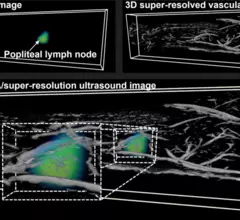
The hope is that the technique could lead to earlier detection of diseases by simultaneously identifying structural and functional abnormalities that standard ultrasound imaging methods alone cannot.
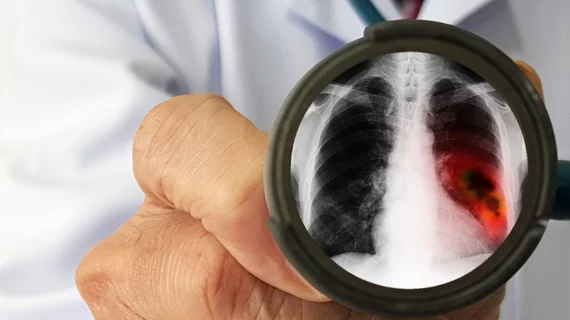
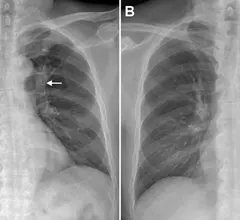
Features pertaining to location, density and superimposed structures were recently found to be associated with poorer outcomes for patients who initially had their lung cancer overlooked on radiographs.