Compared with postoperative stereotactic radiation therapy, an investigational intraoperative RT approach could significantly reduce local tumor recurrence and improve survival in patients with newly diagnosed operable brain metastases.
New findings could shift the standard approach to preventing brain metastases in SCLC, particularly as modern MRI allows clinicians to detect and treat brain disease earlier.
The imaging agent could potentially help doctors characterize a malignancy's aggression and identify lesions with a higher likelihood of invasion or metastasis.
A new review led by UCLA researchers examines the utility of commercially available AI tools for screening mammography and evidence surrounding their ability to detect interval cancers.
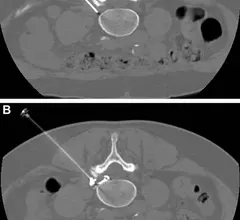
In PRF procedures, a probe is used to intermittently apply energy directly to the dorsal root ganglia, which is often where pain and neurologic symptoms associated with sciatica originate.
Researchers at the University of California Los Angeles combined multimodal brain MRIs with clinical and personal data from 183 men and women to identify sex-specific brain signatures that could be indicative of what causes a person to develop obesity.
Most patients who received mechanical ventilation for COVID-19 at a busy European hospital not only survived but also showed no scarring or thickening on lung CT at two years post-discharge.
Experts recently questioned the necessity of scanning the axilla region during diagnostic breast ultrasound, as new data indicate that it is minimally beneficial for cancer detection.
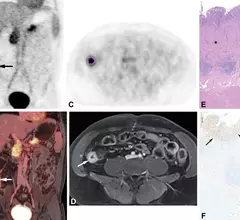
The FAPI radiotracer experts used in this research can bind specifically to the connective tissue cells that cause intestinal wall fibrosis common to Crohn's disease.