Compared with postoperative stereotactic radiation therapy, an investigational intraoperative RT approach could significantly reduce local tumor recurrence and improve survival in patients with newly diagnosed operable brain metastases.
New findings could shift the standard approach to preventing brain metastases in SCLC, particularly as modern MRI allows clinicians to detect and treat brain disease earlier.
The imaging agent could potentially help doctors characterize a malignancy's aggression and identify lesions with a higher likelihood of invasion or metastasis.
A new review led by UCLA researchers examines the utility of commercially available AI tools for screening mammography and evidence surrounding their ability to detect interval cancers.
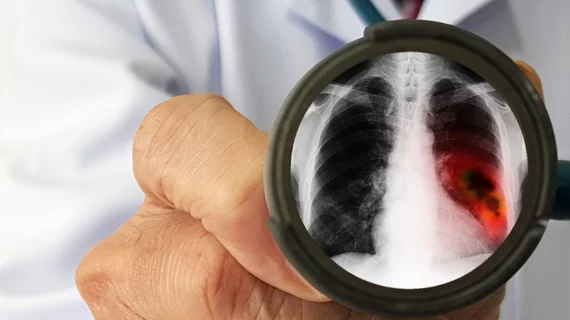
A machine learning system has come along that needs no human labeling of data for training yet matches radiologists at classifying diseases on chest X-rays—including some that the model was not specifically taught to detect.
A new analysis published in Radiology details signs of persistent pulmonary dysfunction in children who have recovered from a COVID infection or who are experiencing symptoms of long-COVID.
Insured or not, few Americans are immune to medical debt. And when a budget-busting event comes, it can significantly worsen such basic social determinants of health (SDOH) as housing security and food affordability.
Briefly trained in point-of-care cardiac ultrasound, 72% of second-year medical students obtained clinical-quality views from a mannequin and 61% made the correct diagnosis in a volunteer simulated patient.
Orthopedic cone-beam CT supplier CurveBeam AI has received the FDA’s breakthrough device designation for software that computes risk of fracture in patients with osteopenia.
Nuclear radiologists are overall confident in the scientific soundness of studies published within their field. Those working in Asia are especially trusting. However ...