Compared with postoperative stereotactic radiation therapy, an investigational intraoperative RT approach could significantly reduce local tumor recurrence and improve survival in patients with newly diagnosed operable brain metastases.
New findings could shift the standard approach to preventing brain metastases in SCLC, particularly as modern MRI allows clinicians to detect and treat brain disease earlier.
The imaging agent could potentially help doctors characterize a malignancy's aggression and identify lesions with a higher likelihood of invasion or metastasis.
A new review led by UCLA researchers examines the utility of commercially available AI tools for screening mammography and evidence surrounding their ability to detect interval cancers.
Two branch chiefs with the cancer imaging program at NIH’s National Cancer Institute have produced a written commemoration to mark the golden anniversary of 1971’s National Cancer Act.
Over the five-year period ending last December 31, only a third of 218 scientific articles on AI in four popular radiology journals shared the researchers’ code.
A new study in JACC: Cardiovascular Imaging focuses on a potential new side effect of COVID-19, highlighting the continued importance of monitoring these patients going forward.
Children who begin using tobacco at 9 to 10 years old have significantly smaller brain area and volume than non-users within two years, according to a study published this month.
Upgrading to dual-source, dual-energy CT machines cut average pediatric scan times from around 12 seconds to three seconds or less at two sites of an academic emergency department.
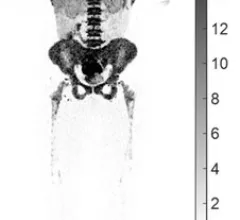
In the study, patients who had recovered from an COVID infection were injected with a small amount of the 89Zr-labeled radiotracer before undergoing a uExplorer PET/CT scan.