
Radiologist warns of ‘quiet quitting’ across specialty

A radiologist is warning that peers are increasingly “quiet quitting” across the profession amid a crisis of burnout and overwork.
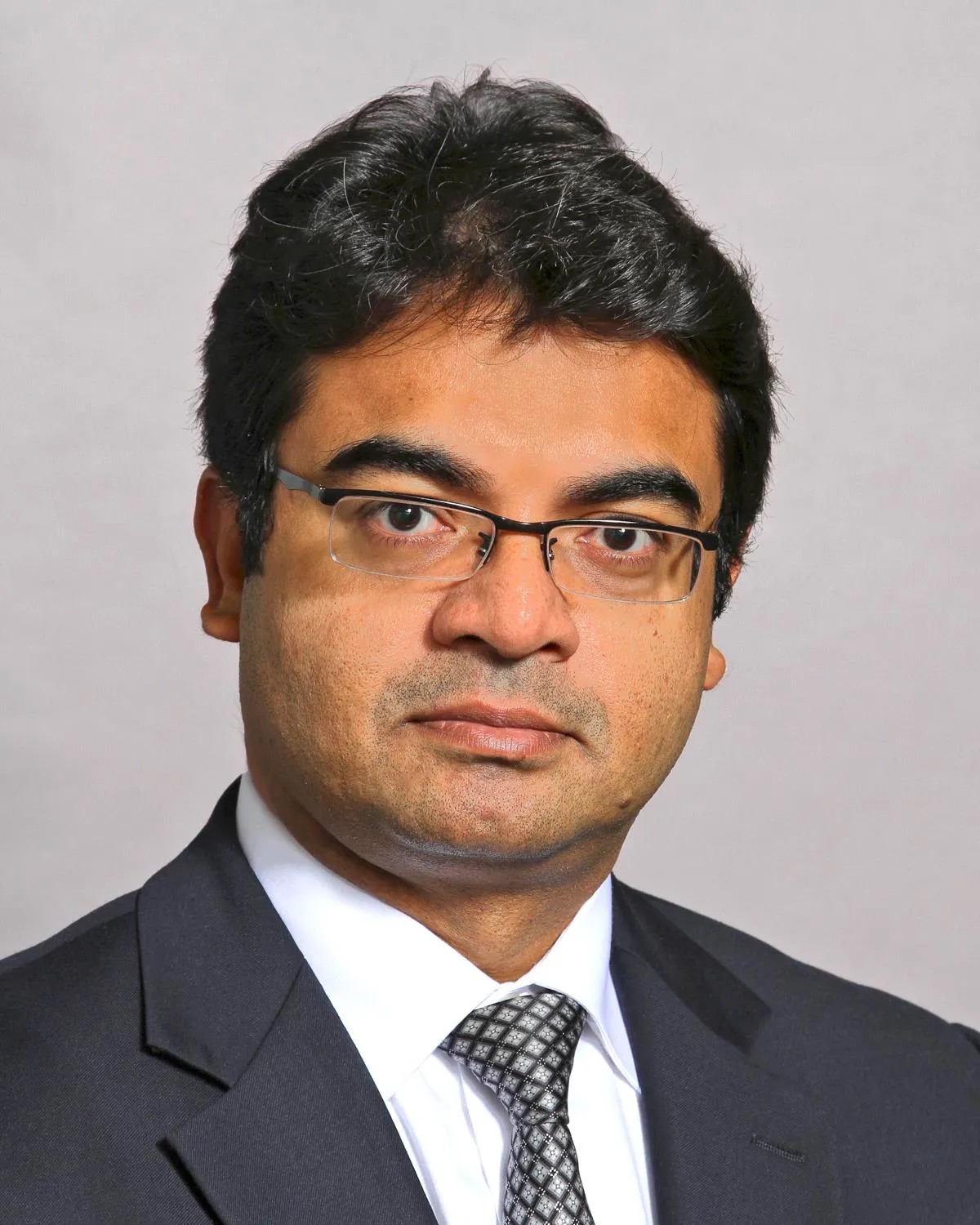
The Cleveland Clinic’s Subha Ghosh, MD, MBA, recently shared his concerns in opinion pieces published by two major medical imaging journals. This phrase, popularized amid the pandemic, describes individuals who withdraw discretionary effort, “engaging only in their baseline duties.”
“For many, the idealism of early academic life—research, teaching, intellectual stimulation and collaboration—has given way to the grinding reality of inequitable workloads, opaque advancement structures and eroding institutional support,” Ghosh wrote Aug. 27 in the American Journal of Roentgenology. “The term ‘quiet quitting’ may not capture the complexity of what's happening in academic radiology, but it certainly resonates: It's the decision to do the job, but nothing more than the job. It’s a slow retreat from the extras that once defined academic careers—innovative research, mentorship, committee service and leadership—because these contributions no longer yield proportional recognition or reward.”
In a second piece published Wednesday by the Journal of the American College of Radiology, Ghosh offered a list of eight factors he believes are driving the quiet-quitting conundrum. They include (1) burnout and work overload; (2) misaligned incentives, with RVUs failing to reward work such as teaching and mentoring; and (3) radiologists trapped mid-career, passed over for promotions due to favoritism. Ghosh also highlighted the (4) growing “allure” of temp or remote work, offering a reprieve from the rigors of academia.
“For many, the math no longer adds up,” he wrote Sept. 3 in JACR. “Locums offer higher pay, better schedule control, and no administrative or academic burden. Vacations can be taken when desired—not when approved months in advance. In contrast, academic institutions often offer fewer vacation weeks, tightly controlled schedules and a bureaucratic, sometimes paternalistic, approach to time-off: Vacation is something to be ‘granted,’ not used freely from one’s earned bank.”
Quiet quitting is further driven by (5) disparities in expectations versus rewards, with radiologists who work hard to meet every deadline passed up for promotions while others do less and face no consequences. Ghosh further highlighted (6) cultural and generational shifts, as younger faculty prioritize work-life balance and autonomy; along with (7) digital fatigue and (8) “erosion of institutional loyalty.”
“Mergers, leadership turnover, and abrupt policy changes can erode faculty trust,” he noted. “When institutions behave transactionally, so do employees. Loyalty, once the bedrock of academic medicine, has been supplanted by pragmatism.”
Ghosh believes the unchecked continuance of this trend will have detrimental consequences for the profession. Ramifications could include diminished teaching and mentorship opportunities, loss of scholarly productivity, cynicism and low morale, and a depletion of radiology’s leadership pipeline. In his AJR piece he offered a list of possible solutions imaging leaders can pursue to reverse this trend. They include:
- Reevaluating workloads to ensure they are equitably distributed, and that hard work doesn’t become a punishment.
- Creating transparent leadership pathways and promotion schedules that don’t rely on insider networks or favoritism.
- Protecting vacation time and academic work as non-negotiable components of a sustainable career.
- Restoring professional development funds and ensuring that mid-career faculty are not left behind in the race for mentorship and growth.
- Checking in on mid-career rads, and not just those at the beginning of their careers, to understand their needs and aspirations.
- Offering remote work, along with flexible scheduling and sabbatical opportunities, to help increase job satisfaction and reduce the drive toward early retirement or exit strategies.
“Quiet quitting is not the problem, it’s the symptom,” Ghosh concluded in his AJR piece. “The problem is a system that allows burnout, inequity and invisibility to fester in the very people we rely on most. If academic radiology is to thrive, we must not only ask why people are disengaging, we must listen to the answers and be brave enough to change.”

Marty Stempniak has covered healthcare since 2012, with his byline appearing in the American Hospital Association's member magazine, Modern Healthcare and McKnight's. Prior to that, he wrote about village government and local business for his hometown newspaper in Oak Park, Illinois. He won a Peter Lisagor and Gold EXCEL awards in 2017 for his coverage of the opioid epidemic.