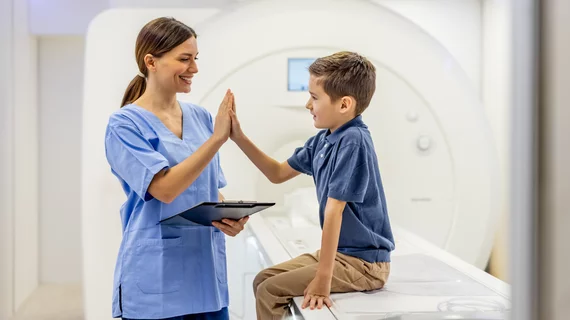
Radiologists use diagnostic imaging to non-invasively look inside the body to help determine the causes of an injury or an illness, and confirm a diagnosis. Providers use many imaging modalities to do so, including CT, MRI, X-ray, Ultrasound, PET and more.
Chest CT is routinely performed for things like lung cancer screening, coronary calcium assessment and pulmonary nodule surveillance, but the modality also can be used to extract additional information.
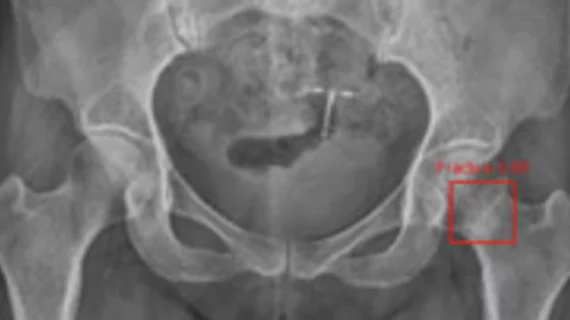
By highlighting subtle abnormalities that could otherwise be overlooked, an algorithm could potentially serve as an additional safety net when radiographic findings are indeterminate.
A-Life Medical Inc., a provider of Natural Language Processing (NLP) based systems, this week announced the release of automated coding for interventional radiology procedures through A-Life's Actus Application Suite.
The American Society for Therapeutic Radiology and Oncology (ASTRO) is gathering for its annual meeting this month in Denver (Oct. 16-20) and looking to draw as many as 10,000 radiation oncology professionals from the world over.
Fat distribution is an important indicator of risk of cardiovascular disease, according to a study presented at the recent 27th Annual Meeting of the American Society for Bone and Mineral Research.