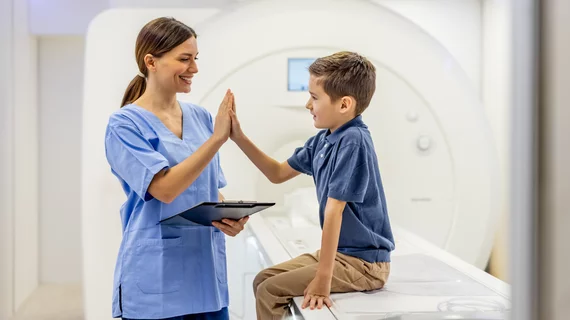
Radiologists use diagnostic imaging to non-invasively look inside the body to help determine the causes of an injury or an illness, and confirm a diagnosis. Providers use many imaging modalities to do so, including CT, MRI, X-ray, Ultrasound, PET and more.
Chest CT is routinely performed for things like lung cancer screening, coronary calcium assessment and pulmonary nodule surveillance, but the modality also can be used to extract additional information.
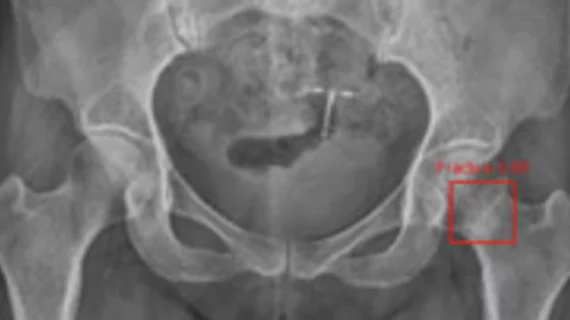
By highlighting subtle abnormalities that could otherwise be overlooked, an algorithm could potentially serve as an additional safety net when radiographic findings are indeterminate.
It is possible for patients suffering from cancer affecting their eye to avoid such consequences as a visual handicap, the loss of the eye or spread of the disease through proton beam radiation therapy.
The U.S. healthcare industry has paid dearly for not making better use of engineering strategies and certain technologies that have been used by other industries to revolutionize the way they operate, according to a new report from the National Academies'
Most healthcare consumers would like to see further implementation of electronic medical records (EMR), according to survey results recently released by Accenture, a research and consulting firm.
PatientKeeper Inc. is having a good year, and last week the company reported record sales and product deployments in the first six months of 2005 to support its happy feelings.
Echocardiography procedures are surging, according to the Echocardiography Census Database and Market Summary Report recently published by IMV Medical Information Division.