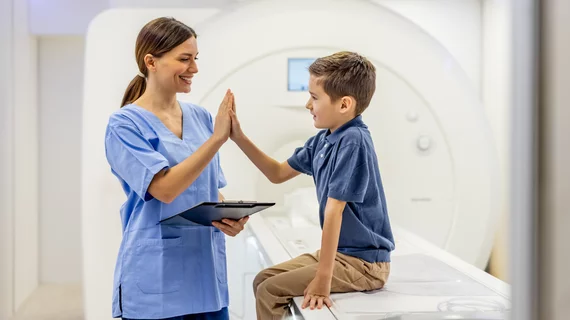
Radiologists use diagnostic imaging to non-invasively look inside the body to help determine the causes of an injury or an illness, and confirm a diagnosis. Providers use many imaging modalities to do so, including CT, MRI, X-ray, Ultrasound, PET and more.
Chest CT is routinely performed for things like lung cancer screening, coronary calcium assessment and pulmonary nodule surveillance, but the modality also can be used to extract additional information.
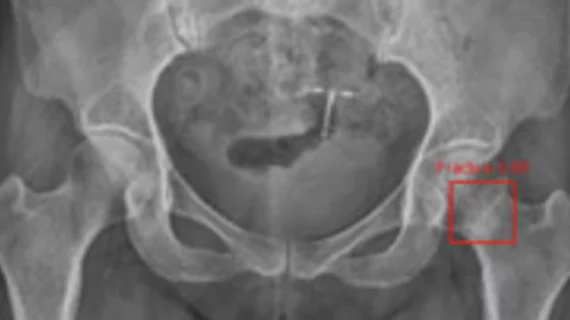
By highlighting subtle abnormalities that could otherwise be overlooked, an algorithm could potentially serve as an additional safety net when radiographic findings are indeterminate.
Heartlab Inc. this week announced that its co-founder and medical director has been selected for a leadership position in the Cardiology initiative of "Integrating the Healthcare Enterprise" (IHE).
The Defense Department is making significant headway on its plan to roll out an ambulatory electronic medical record (EMR) across the entire armed forces healthcare system by 2006.
Exavera Technologies Inc. is debuting eShepherd, a secure broadband wireless information-delivery system that is designed specifically for healthcare at the TEPR 2004 meeting in Orlando, Fla., this week.