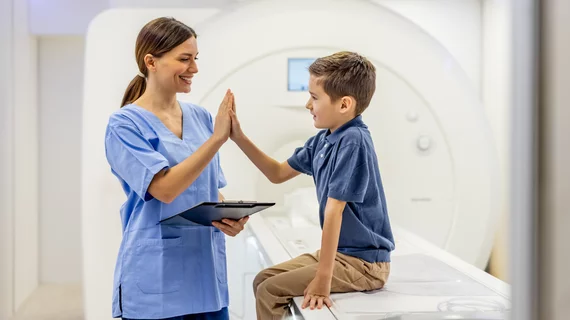
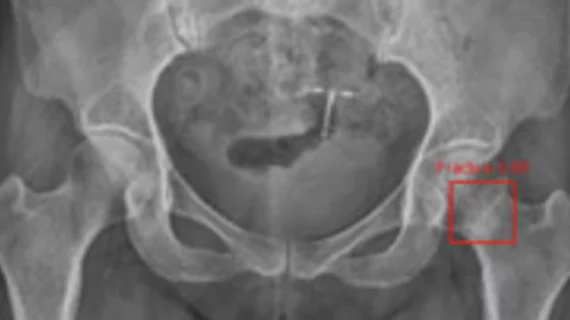
Radiologists use diagnostic imaging to non-invasively look inside the body to help determine the causes of an injury or an illness, and confirm a diagnosis. Providers use many imaging modalities to do so, including CT, MRI, X-ray, Ultrasound, PET and more.
Chest CT is routinely performed for things like lung cancer screening, coronary calcium assessment and pulmonary nodule surveillance, but the modality also can be used to extract additional information.
By highlighting subtle abnormalities that could otherwise be overlooked, an algorithm could potentially serve as an additional safety net when radiographic findings are indeterminate.
Quantum Medical Imaging has received CE certification for its line of analog and digital radiographic systems, Ultra high-frequency x-ray generators and system components.
The American Society of Radiologic Technologists (ASRT) and the Society of Nuclear Medicine Technologist Section (SNMTS) will collaborate to advance education for technologists to gain competency in PET-CT imaging.
The VHA Health Foundation will award grants ranging from $100,000 to $250,000 to U.S. healthcare providers to implement or enhance promising healthcare initiatives at local facilities.
The Medical Records Institute and the Healthcare Information Management Systems Society Foundation are hosting its first annual survey on the National Health Information Infrastructure (NHII).
The Department of Radiology at the University of Rochester (N.Y.) School of Medicine and Dentistry held its fourth Annual PACS Conference in San Antonio, Texas on March 10-13.