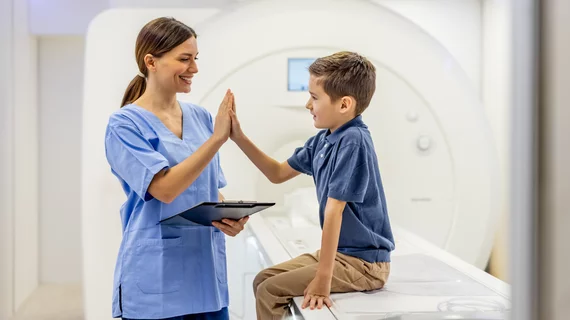
Radiologists use diagnostic imaging to non-invasively look inside the body to help determine the causes of an injury or an illness, and confirm a diagnosis. Providers use many imaging modalities to do so, including CT, MRI, X-ray, Ultrasound, PET and more.
Chest CT is routinely performed for things like lung cancer screening, coronary calcium assessment and pulmonary nodule surveillance, but the modality also can be used to extract additional information.
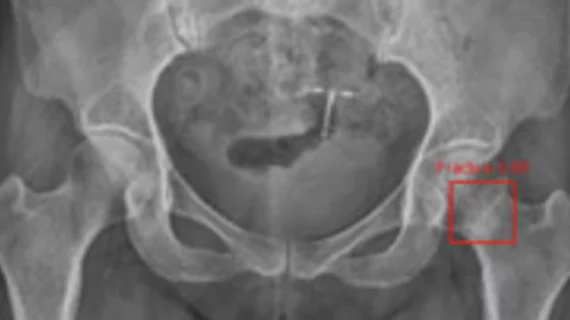
By highlighting subtle abnormalities that could otherwise be overlooked, an algorithm could potentially serve as an additional safety net when radiographic findings are indeterminate.
Cedara Software Corp. will market its family of I-Suite PACS (picture archiving and communications systems) through Beijing Invention & Technology Corp. (BITC) in China.
By importing detailed anatomical images into an image-guided surgery planning system, neurosurgeons and other surgeons gain a roadmap to superimpose on a patient's internal structure.
The healthcare industry's appetite for information technology (IT) will increase by 9.3 percent this year, the largest one-year rise since 1999, so says a new report from Sheldon I. Dorenfest & Associates Ltd.