Diagnostic screening programs help catch cancer, abnormalities or other diseases before they reach an advanced stage, saving lives and healthcare costs. Screening programs include, lung, breast, prostate, and cervical cancer, among many others.
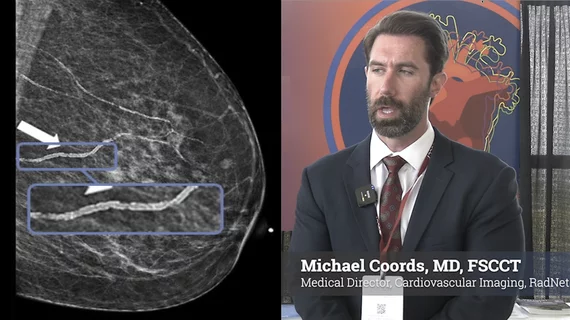
The law reflects growing interest in using existing imaging studies to identify cardiovascular disease risk without requiring additional scans, radiation exposure or costs.
New research could provide useful information for cancer registries and potentially help policymakers better evaluate screening outcomes to develop more effective guidelines.
Former SCCT president Ed Nicol, MD, knows there has been interest in the potential of automated CT exams. However, he isn't so sure they are possible at this point in time for a number of reasons.
These findings highlight a need for more stringent and standardized reporting guidelines relative to incidental findings, authors of the new study suggested.
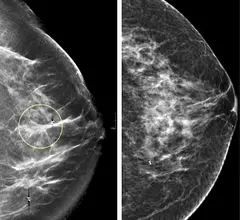
Radiologists interpreting screening mammograms may be especially susceptible to falling victim to automation bias, as these exams are repetitive in nature.
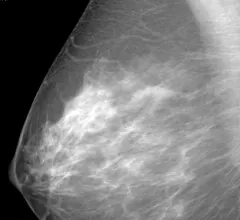
Breast density is known to drop over time, but the rate at which density decreases merits special attention, as it could be associated with a woman’s chance of developing cancer.
That’s according to an award-winning scientific online poster presented this week during the American Roentgen Ray Society’s annual meeting being held in Honolulu, Hawaii.
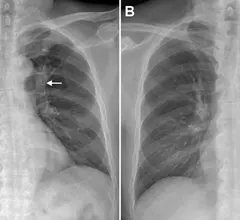
Features pertaining to location, density and superimposed structures were recently found to be associated with poorer outcomes for patients who initially had their lung cancer overlooked on radiographs.
Since being approved by the U.S. Food and Drug Administration in 2011, DBT has become the most common method for breast cancer screening, and as of September 2022, 84% of all U.S. mammography screening facilities housed DBT units.
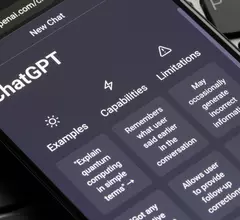
A team of experts with the University of Maryland School of Medicine recently presented ChatGPT with a set of questions relative to breast cancer screening recommendations to determine whether the program could reliably offer appropriate guidance.