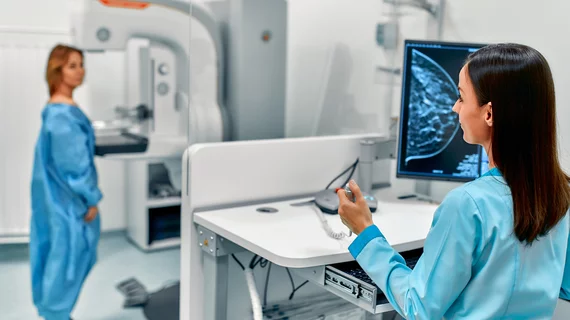
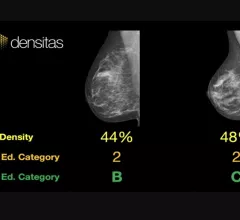
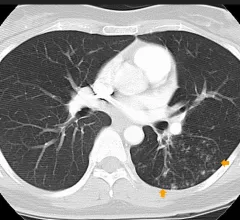
Diagnostic screening programs help catch cancer, abnormalities or other diseases before they reach an advanced stage, saving lives and healthcare costs. Screening programs include, lung, breast, prostate, and cervical cancer, among many others.
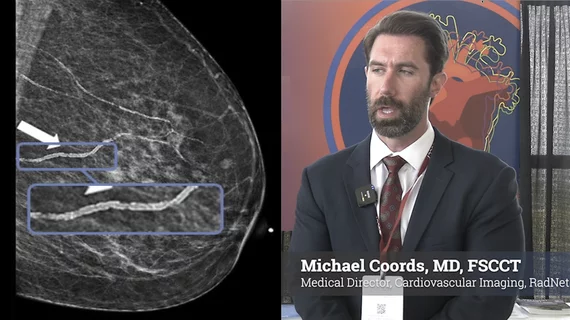
The law reflects growing interest in using existing imaging studies to identify cardiovascular disease risk without requiring additional scans, radiation exposure or costs.
New research could provide useful information for cancer registries and potentially help policymakers better evaluate screening outcomes to develop more effective guidelines.
Former SCCT president Ed Nicol, MD, knows there has been interest in the potential of automated CT exams. However, he isn't so sure they are possible at this point in time for a number of reasons.
Connie Lehman, MD, PhD, chief of breast imaging, co-director of the Avon Comprehensive Breast Evaluation Center at the Massachusetts General Hospital, discusses the challenges of the COVID-19 pandemic on breast screenings, increased cancer rates and issues with the vaccines causing false positives on mammograms.
Connie Lehman, MD, PhD, chief of breast imaging, co-director of the Avon Comprehensive Breast Evaluation Center at the Massachusetts General Hospital, explains why she thinks contrast-enhanced mammography will likely become the go-to supplemental imaging modality for women with dense breasts.
"As the prevalence of females with tattoos increases, tattoo pigment needs to be considered as a potential differential diagnosis of breast calcification,” experts involved in the research suggested.
Connie Lehman, MD, chief of breast imaging, co-director of the Avon Comprehensive Breast Evaluation Center at Massachusetts General Hospital, discusses how artificial intelligence (AI) is being implemented in breast imaging.
Society of Breast Imaging President John Lewin, MD, explains some of the new initiatives and technology in mammography that are designed to increase early breast cancer detection.
Breast cancer screenings present an additional opportunity to identify more women who would also qualify for lung cancer screening, authors of a new paper in JAMA said.