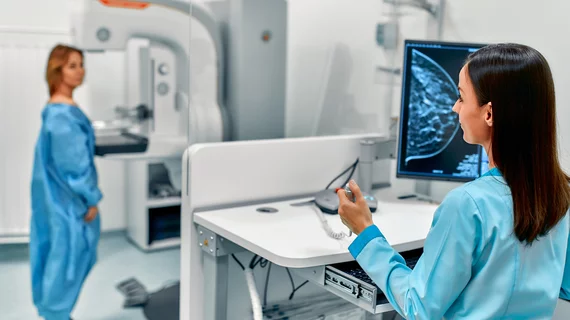
Diagnostic screening programs help catch cancer, abnormalities or other diseases before they reach an advanced stage, saving lives and healthcare costs. Screening programs include, lung, breast, prostate, and cervical cancer, among many others.
New research could provide useful information for cancer registries and potentially help policymakers better evaluate screening outcomes to develop more effective guidelines.
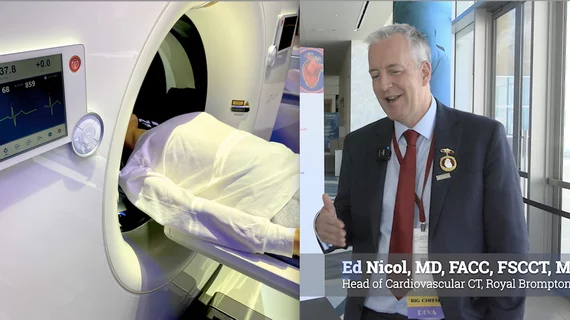
Former SCCT president Ed Nicol, MD, knows there has been interest in the potential of automated CT exams. However, he isn't so sure they are possible at this point in time for a number of reasons.
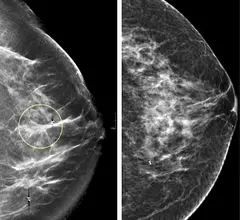
A screen first approach for women who present with breast pain decreases healthcare spending without the risk of overlooking cancer, new analysis shows.
Debra Monticciolo, MD, who has previously led both the Society of Breast Imaging and the American College of Radiology, discussed how different screening strategies may impact patient outcomes.
Dana Smetherman, MD, is a diagnostic radiologist who specializes in breast imaging. She spoke to Health Imaging about some key issues that have her attention in 2024 and beyond.
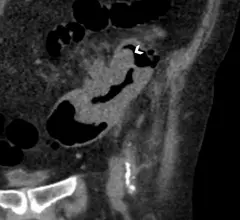
That number is expected to grow even more in the coming years, as the exam serves as a noninvasive alternative to colonoscopy, while also providing more accurate results than stool tests.