Diagnostic screening programs help catch cancer, abnormalities or other diseases before they reach an advanced stage, saving lives and healthcare costs. Screening programs include, lung, breast, prostate, and cervical cancer, among many others.
New research could provide useful information for cancer registries and potentially help policymakers better evaluate screening outcomes to develop more effective guidelines.
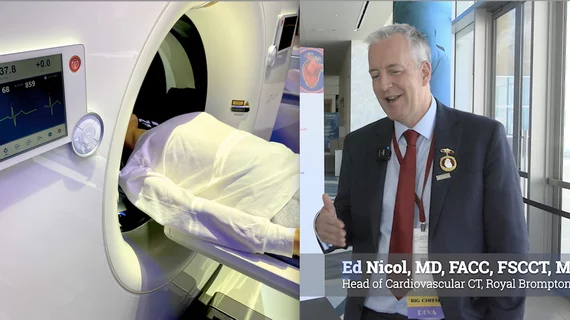
Former SCCT president Ed Nicol, MD, knows there has been interest in the potential of automated CT exams. However, he isn't so sure they are possible at this point in time for a number of reasons.
Body composition assessments are readily available in most clinics and may help doctors take early action in high-risk patients, according to a new study published in RSNA's journal Radiology.
Experts from Australia and the U.K. said strategies to improve reporting are "urgently" needed in order for the public to receive more balanced information.
Emory University researchers looked at data from more than 450,000 people diagnosed with Alzheimer's disease or vascular dementia for their findings, shared in AJR.
About 14.5 million U.S. adults will be eligible for low-dose CT but some physicians say many vulnerable patients will still face barriers to screening.
Performing a chest, abdomen, or pelvis scan in these individuals led to a diagnosis in nearly half of all cases, experts reported in Emergency Radiology.
Massachusetts General Hospital rads outlined steps providers can take to limit unnecessary follow-up care in these situations, sharing their guidance in JACR.