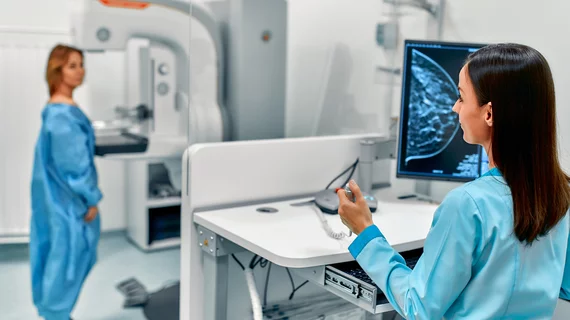
Diagnostic screening programs help catch cancer, abnormalities or other diseases before they reach an advanced stage, saving lives and healthcare costs. Screening programs include, lung, breast, prostate, and cervical cancer, among many others.
New research could provide useful information for cancer registries and potentially help policymakers better evaluate screening outcomes to develop more effective guidelines.
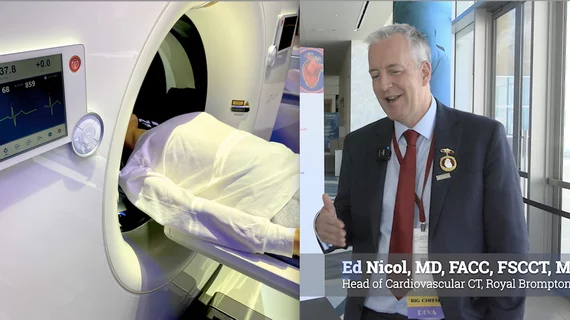
Former SCCT president Ed Nicol, MD, knows there has been interest in the potential of automated CT exams. However, he isn't so sure they are possible at this point in time for a number of reasons.
Radiologists often mistake these bony lesions near the knee as more serious conditions, such as cancer, but researchers say such irregularities are typically benign.
Lead researcher Majid Fotuhi, MD, PhD, also said that completing a baseline MRI before these patients leave the hospital is “imperative" to their future treatment.
The approach was on-par with CT scan quality at detecting some of the most common findings associated with the disease, including lesions and ground-glass opacities, experts wrote in the Journal of MRI.
COVID-19 can show up incidentally when a patient’s lungs are partially readable on CT scans of the abdomen or neck. And the findings can help identify patients who should be strictly quarantined.