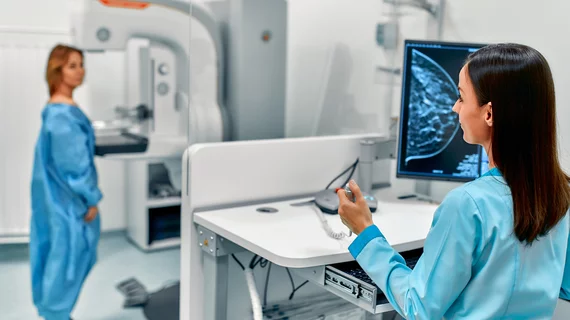
Diagnostic screening programs help catch cancer, abnormalities or other diseases before they reach an advanced stage, saving lives and healthcare costs. Screening programs include, lung, breast, prostate, and cervical cancer, among many others.
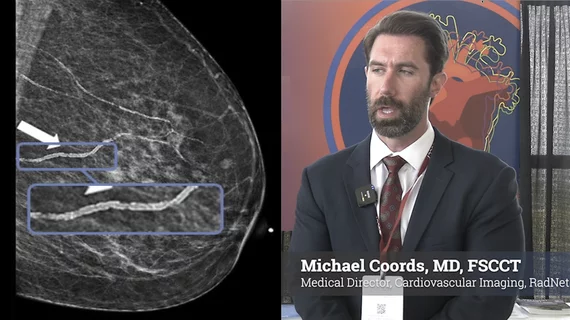
The law reflects growing interest in using existing imaging studies to identify cardiovascular disease risk without requiring additional scans, radiation exposure or costs.
New research could provide useful information for cancer registries and potentially help policymakers better evaluate screening outcomes to develop more effective guidelines.
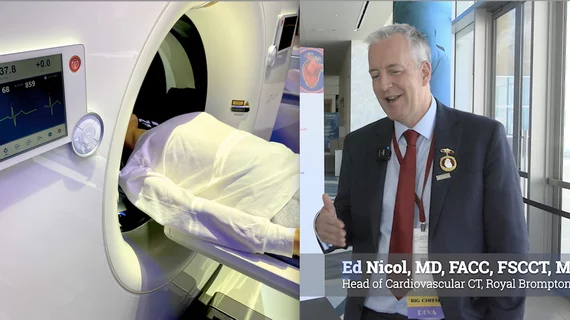
Former SCCT president Ed Nicol, MD, knows there has been interest in the potential of automated CT exams. However, he isn't so sure they are possible at this point in time for a number of reasons.
Massachusetts General Hospital designed its pilot program to serve dual-eligible women who face significant barriers to completing their exams in outpatient settings.
Those who underwent neuroimaging and were diagnosed with stroke were also twice as likely to die compared to age-matched controls, according to new research published in Neurology.
Individuals exposed to diagnostic radiation in the first decade of their life face an increased risk of developing the disease, Penn Medicine experts reported recently.