Diagnostic screening programs help catch cancer, abnormalities or other diseases before they reach an advanced stage, saving lives and healthcare costs. Screening programs include, lung, breast, prostate, and cervical cancer, among many others.
New findings support the routine use of deep learning-based risk assessments, as this method can decrease subjectivity, reduce unnecessary imaging and improve diagnostic accuracy.
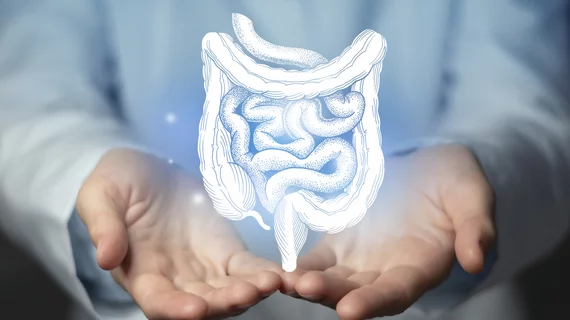
The COlorectal Cancer detection with AI, or COCA, model is a cost-effective, scalable solution that turns routine CT scans into opportunistic exams that can be used to proactively identify CRC.
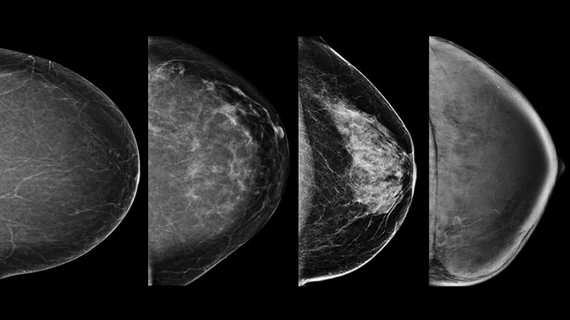
Two respected radiology organizations have issued a stark warning on the new recommendations, stating that they risk confusing patients and “may contribute to thousands of additional breast cancer deaths each year.”
Ultrasound is routinely used to screen for HCC. However, its utility is limited by numerous factors, including patient body habitus, operator experience and certain liver conditions, all of which contribute to decreases in sensitivity.
In conjunction with prevention efforts, the introduction of screening examinations has resulted in a reduction of nearly 6 million cancer-related deaths since 1975.
Breast density is most often discussed within the context of cancer risk, but new research suggests that it also could be used as a marker of cardiometabolic health.