
Amyloid-related imaging abnormalities a significant concern among patients receiving Alzheimer's treatment
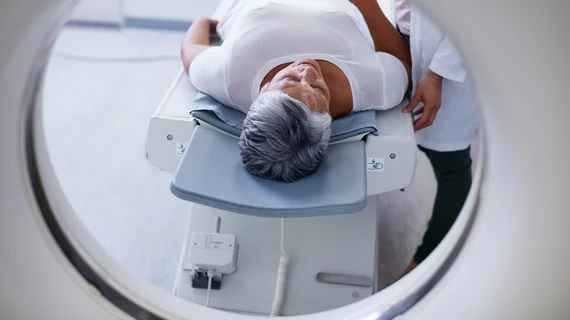
A new analysis details the prevalence of amyloid-related imaging abnormalities (ARIA) on MRI in individuals who are being treated with new Alzheimer’s disease therapies.
Kisunla (donanemab) is an FDA-approved intravenous monoclonal antibody infusion for early symptomatic Alzheimer's disease; it works by essentially scrubbing amyloid deposits from the brain, which in turn helps reduce cognitive symptoms associated with the neurodegenerative disease. While effective, a known side effect of the treatment is that is causes ARIA.
Symptoms of ARIA include headache, confusion, dizziness, vision changes and nausea, but if left unchecked, the symptoms can become severe. This is why experts (and the FDA) recommend scheduled MRI brain scans on individuals being treated with modern monoclonal antibody infusion treatments.
Now, a new study is offering detailed insight into how common ARIA is in individuals being treated with donanemab. Published in Alzheimer's & Dementia: Diagnosis, Assessment & Disease Monitorin, the analysis suggests that up to 20% of patients may exhibit signs of ARIA on imaging.
For their work, researchers reviewed 51 patients who received at least one donanemab infusion between October 2024 and October 2025. Of the 48 patients who underwent at least one surveillance brain MRI following treatment initiation, 10 (20.8%) developed ARIA, which can include cerebral edema or effusions (ARIA-E) and microhemorrhages or cortical superficial siderosis (ARIA-H).
However, these findings differed between patients. For example, patients carrying APOE ε4 (a genetic variant of the apolipoprotein E gene that acts as a strong risk factor for late-onset AD) were significantly more likely to develop ARIA overall and ARIA-H specifically than noncarriers.
Infusion-related adverse effects occurred in seven patients (13.7%). Overall, eight patients (15.7%) discontinued donanemab during the study period. Five stopped treatment because of progressive ARIA, two because of severe infusion reactions and one because the patient required anticoagulation.
The findings provide real-world insight into the imaging surveillance required for patients receiving donanemab. MRI monitoring is an important component of treatment because ARIA can be clinically silent but, in more serious cases, can lead to neurologic symptoms or other complications. For radiology, the findings underscore the growing role of surveillance brain MRI in patients receiving anti-amyloid therapies. The association between APOE ε4 status and ARIA also suggests that genetic risk may help inform the intensity of monitoring as these therapies become more widely used.
“Our findings suggest that ARIA is a significant concern in patients treated with donanemab, especially those who are ε4 carriers,” lead author Lisa Shields, MD, with the Norton Science Institute in Louisville, Kentucky, and colleagues noted. “Diligent monitoring of patients who are ε4 carriers is recommended to detect the serious complications that may arise.”
Read more here.

In addition to her background in journalism, Hannah also has patient-facing experience in clinical settings, having spent more than 12 years working as a registered rad tech. She began covering the medical imaging industry for Innovate Healthcare in 2021.