Orthopedic imaging relies on X-ray, MRI and CT to diagnose disorders and injuries affecting the bones, muscles, ligaments, tendons, cartilage, and spine. Orthopedists also use these test results to create an effective treatment plan.
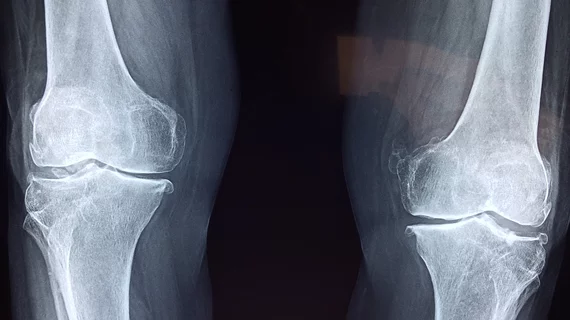
Low-dose radiation therapy may do more than relieve pain in patients with early knee osteoarthritis, with new long-term findings suggesting the treatment could also slow structural deterioration.
The procedure reduces inflammation and pain, and allows patients to achieve relief without having to undergo surgery and months of physical therapy during recovery.
The goal of the study is to obtain quantitative data on how daily training and competing affect players’ musculoskeletal health. The information will be used to inform training, rest and recovery periods.
Although gadolinium-based contrast agents are largely considered safe and are routinely used for MRI exams, experts suggest that providers should still utilize GBCAs sparingly for musculoskeletal studies.
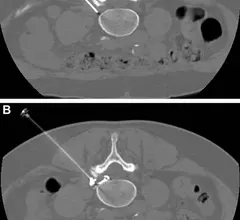
In PRF procedures, a probe is used to intermittently apply energy directly to the dorsal root ganglia, which is often where pain and neurologic symptoms associated with sciatica originate.
Although rare, SIRVA made its way into headlines following the widespread rollout of COVID vaccines. This prompted a renewed push among the medical community to better define the side effect.