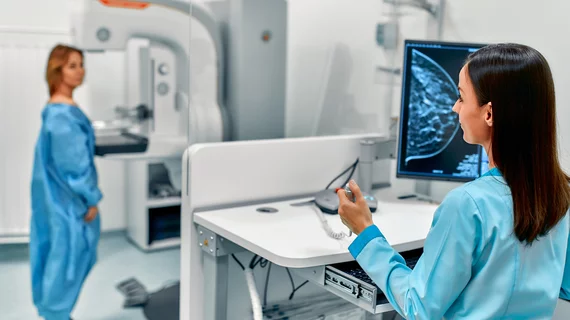
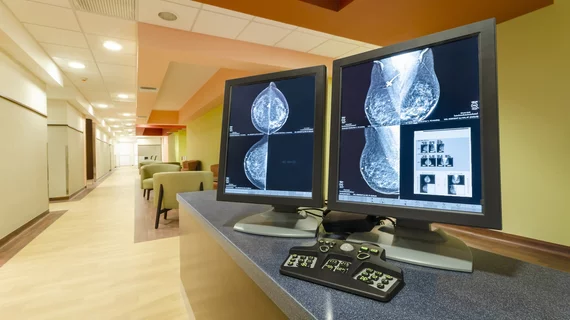
Women’s imaging encompasses many radiology procedures related to women and the diseases that are most prevalent to women such as breast cancer or gynecological issues. Mammogram, breast ultrasound, breast MRI and breast biopsy are the most commonly used procedures.
New research could provide useful information for cancer registries and potentially help policymakers better evaluate screening outcomes to develop more effective guidelines.
Questions about menopause, oral contraceptive use and hormone replacement therapy should all be part of the conversation when evaluating a woman's cardiovascular health.
A new review led by UCLA researchers examines the utility of commercially available AI tools for screening mammography and evidence surrounding their ability to detect interval cancers.
The findings raise concerns about women who are planning on becoming pregnant and imaging-related radiation exposure in the weeks leading up to conception.
Though this finding is relatively uncommon, it is expected that the BI-RADS 6th edition ultrasound lexicon will include it as a feature associated with malignancy.
Only 43% of women with disabilities receive American Society of Breast Surgeons-recommended mammography screening services, according to a new single-center study.
Understanding which women have the greatest short-term risk could enable providers to implement targeted screening strategies to ensure malignancies are caught at the earliest possible stage.
Placenta accreta spectrum is a serious and sometimes deadly perinatal complication. Instances of the condition have risen in recent decades, potentially due to an increase in cesarean deliveries.