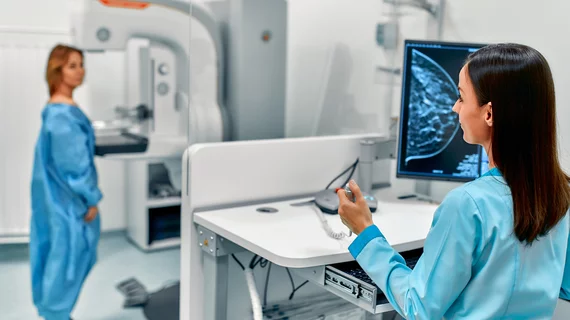
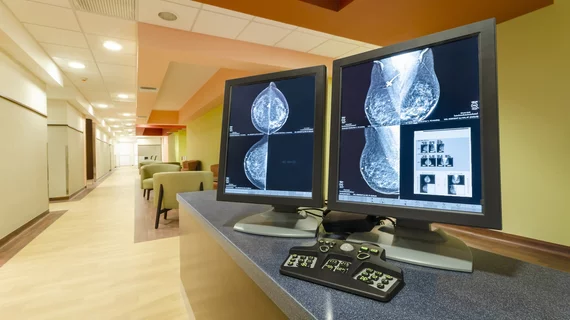
Women’s imaging encompasses many radiology procedures related to women and the diseases that are most prevalent to women such as breast cancer or gynecological issues. Mammogram, breast ultrasound, breast MRI and breast biopsy are the most commonly used procedures.
New research could provide useful information for cancer registries and potentially help policymakers better evaluate screening outcomes to develop more effective guidelines.
Questions about menopause, oral contraceptive use and hormone replacement therapy should all be part of the conversation when evaluating a woman's cardiovascular health.
A new review led by UCLA researchers examines the utility of commercially available AI tools for screening mammography and evidence surrounding their ability to detect interval cancers.
Rather than test artificial intelligence's ability to detect malignant lesions on imaging, researchers instead recently explored how it impacts radiologists' interpretation processes.
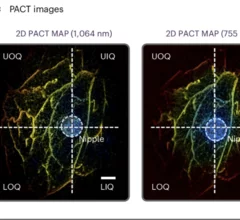
The photoacoustic CT, or PACT, imaging technique is said to perform comparably to mammography for cancer detection, but without the discomfort of standard mammograms.
The agent “exhibits powerful tumor delineation” in challenging cases of determining cancer subtypes, and could potentially lead to more personalized, effective treatment strategies.