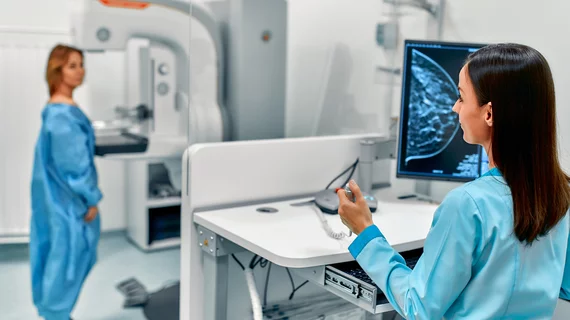
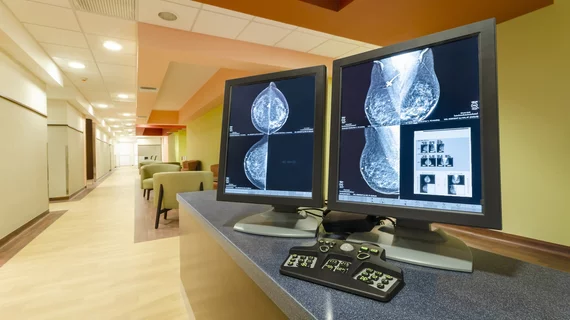
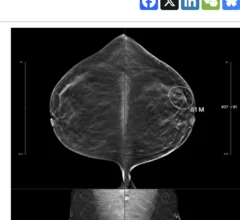
Women’s imaging encompasses many radiology procedures related to women and the diseases that are most prevalent to women such as breast cancer or gynecological issues. Mammogram, breast ultrasound, breast MRI and breast biopsy are the most commonly used procedures.
New research could provide useful information for cancer registries and potentially help policymakers better evaluate screening outcomes to develop more effective guidelines.
Questions about menopause, oral contraceptive use and hormone replacement therapy should all be part of the conversation when evaluating a woman's cardiovascular health.
A new review led by UCLA researchers examines the utility of commercially available AI tools for screening mammography and evidence surrounding their ability to detect interval cancers.
The method targets cancer stem cells, which are highly tumorigenic and known to play a significant role in relapse, cancer spread and treatment resistance.
Considering the often-aggressive nature of interval breast cancer, the findings could represent a significant step toward improving patient outcomes, authors of a new research paper suggest.
“The results of our study deserve notice by other states considering similar legislation," says lead author Amy K. Patel, MD, chair of the ACR Advocacy Network.
Variable technologist training and skill levels, inconsistent onboarding and training, “constant” turnover, and a high number of unfilled positions all have contributed.