Compared with postoperative stereotactic radiation therapy, an investigational intraoperative RT approach could significantly reduce local tumor recurrence and improve survival in patients with newly diagnosed operable brain metastases.
New findings could shift the standard approach to preventing brain metastases in SCLC, particularly as modern MRI allows clinicians to detect and treat brain disease earlier.
The imaging agent could potentially help doctors characterize a malignancy's aggression and identify lesions with a higher likelihood of invasion or metastasis.
A new review led by UCLA researchers examines the utility of commercially available AI tools for screening mammography and evidence surrounding their ability to detect interval cancers.
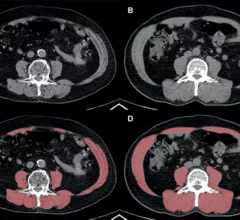
New research findings could help explain the “obesity paradox,” wherein being overweight is linked to both improved outcomes in certain diseases and increased mortality rates in others.
This new information on the pathogenesis of both conditions could be useful for the development of interventions targeted at slowing cognitive decline.
The new Department of Imaging Sciences will be spearheaded by Elizabeth M.C. Hillman, PhD, a physicist, biomedical engineer, neuroscience researcher and inventor.
Experts hope their findings offer valuable insights that one day lead to improved interventions aimed at preserving brain function in patients with Huntington's.
Experts recently uncovered evidence suggesting behaviors such as undereating, binging and purging could be owed to anatomical alterations in parts of the brain.
Results from the world’s largest prospective artificial intelligence study revealed the system could significantly benefit breast cancer screening programs.