Compared with postoperative stereotactic radiation therapy, an investigational intraoperative RT approach could significantly reduce local tumor recurrence and improve survival in patients with newly diagnosed operable brain metastases.
New findings could shift the standard approach to preventing brain metastases in SCLC, particularly as modern MRI allows clinicians to detect and treat brain disease earlier.
The imaging agent could potentially help doctors characterize a malignancy's aggression and identify lesions with a higher likelihood of invasion or metastasis.
A new review led by UCLA researchers examines the utility of commercially available AI tools for screening mammography and evidence surrounding their ability to detect interval cancers.
Pancreatic cancer is one of the deadliest cancers, with a five-year survival rate of only 44% if caught early, dropping down to 3% if it metastasizes. This is largely due to its ability to elude detection.
The CDC estimates that over 6 million people in the U.S. struggle with OUD, and prior research has indicated that only 20% receive treatment for the disorder.
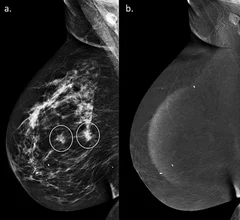
Patients with asymmetries on CEM typically are recalled for additional views, ultrasound and occasionally MRI. But the extra workup might not be necessary.
E-cigarettes, or vapes, are largely considered a safer alternative to smoking tobacco cigarettes, but new MRI data suggest they still pose significant risk to users’ health.