Compared with postoperative stereotactic radiation therapy, an investigational intraoperative RT approach could significantly reduce local tumor recurrence and improve survival in patients with newly diagnosed operable brain metastases.
New findings could shift the standard approach to preventing brain metastases in SCLC, particularly as modern MRI allows clinicians to detect and treat brain disease earlier.
The imaging agent could potentially help doctors characterize a malignancy's aggression and identify lesions with a higher likelihood of invasion or metastasis.
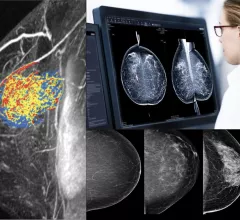
A new review led by UCLA researchers examines the utility of commercially available AI tools for screening mammography and evidence surrounding their ability to detect interval cancers.
A new brain imaging study is giving experts insight into how medication used to treat ADHD works in the brain to soften symptoms associated with the neurological disorder.
Common markers of Alzheimer's disease visualized on PET scans of asymptomatic patients might foreshadow the onset of symptoms in the years following their initial discovery.
A large academic medical center launched a virtual radiology reading room in 2020 to comply with COVID-related social distancing guidelines. Today the room is still something of a hit.
The study, which was published in Brain and Behavior, found that individuals who used their smartphone excessively displayed different strengths in the prefrontal and parietal neural network.
The healthcare industry accounts for close to 30% of global helium consumption, with MRI equipment needs accounting for a significant portion of that figure.