Compared with postoperative stereotactic radiation therapy, an investigational intraoperative RT approach could significantly reduce local tumor recurrence and improve survival in patients with newly diagnosed operable brain metastases.
New findings could shift the standard approach to preventing brain metastases in SCLC, particularly as modern MRI allows clinicians to detect and treat brain disease earlier.
The imaging agent could potentially help doctors characterize a malignancy's aggression and identify lesions with a higher likelihood of invasion or metastasis.
A new review led by UCLA researchers examines the utility of commercially available AI tools for screening mammography and evidence surrounding their ability to detect interval cancers.
Capping the RSNA 2022 conference in Chicago, an RSNA editorial board has selected a 3D cinematic rendering as the single best radiological image of the year.
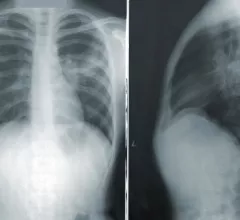
Stanford researchers have created synthetic yet highly realistic chest X-rays by customizing an open-source AI model called Stable Diffusion for rendering text as images.
“This type of screening could be used to identify individuals who would benefit from statin medication but are currently untreated," one specialist said. The full analysis will be presented at RSNA 2022 in Chicago.
The use of NSAIDS such as ibuprofen and naproxen might not have the desired effect patients are seeking when it comes to joint pain, according to new findings to be presented at RSNA 2022.
There are limited data to determine whether pancreatitis in COVID patients is the result of a stress response triggered by severe illness or by direct damage to the β-cell structure and function.