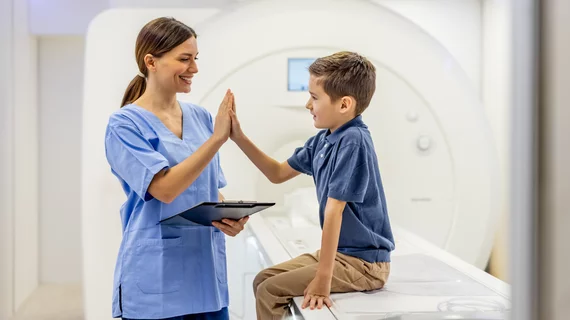
Radiologists use diagnostic imaging to non-invasively look inside the body to help determine the causes of an injury or an illness, and confirm a diagnosis. Providers use many imaging modalities to do so, including CT, MRI, X-ray, Ultrasound, PET and more.
Chest CT is routinely performed for things like lung cancer screening, coronary calcium assessment and pulmonary nodule surveillance, but the modality also can be used to extract additional information.
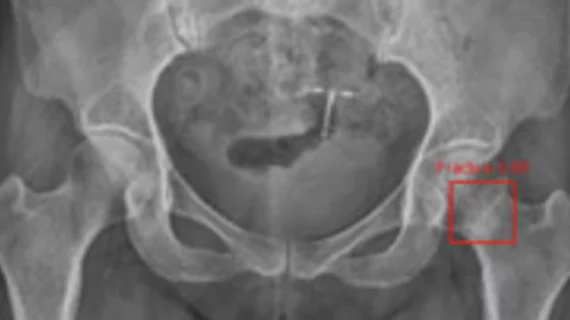
By highlighting subtle abnormalities that could otherwise be overlooked, an algorithm could potentially serve as an additional safety net when radiographic findings are indeterminate.
Hospitals in this country had a good year in 2004 - with profit margins averaging 5.2 percent that represents a six-year high, according to the American Hospital Association.
EMC Corp. yesterday announced it has acquired Internosis Inc., a privately held North American-based IT services firm that specializes in strategy, application development, infrastructure and managed services for Microsoft environments.
The use of permanent radiation seed implants for early stage breast cancer treatment following a lumpectomy is being investigated as an alternative treatment to whole or partial breast irradiation, according to a study.
Guardian Technologies International Inc.'s Advanced Research Department has created what it calls "a breakthrough in image processing" with the potential to dramatically improve the diagnostic characteristics of medical images which should result in easi
Large databases chock full of computer assisted detection information could be highly beneficial to lunch cancer management, according to a Hot Topic presentation at RSNA 2005 in November.
Storage management software provider KOM Networks this week announced the addition of file replication to its KOMworx suite of Storage Management offerings.