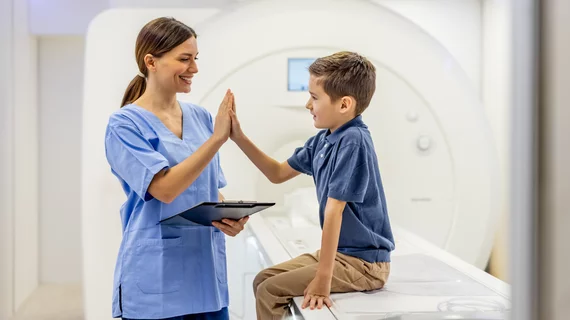
Radiologists use diagnostic imaging to non-invasively look inside the body to help determine the causes of an injury or an illness, and confirm a diagnosis. Providers use many imaging modalities to do so, including CT, MRI, X-ray, Ultrasound, PET and more.
Chest CT is routinely performed for things like lung cancer screening, coronary calcium assessment and pulmonary nodule surveillance, but the modality also can be used to extract additional information.
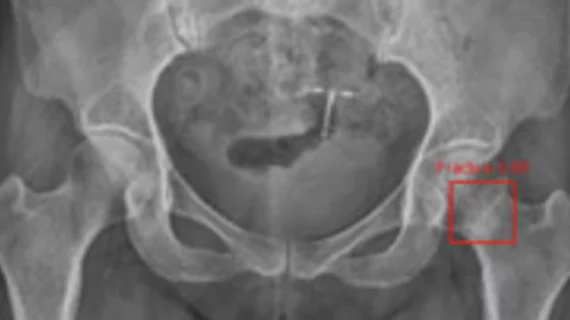
By highlighting subtle abnormalities that could otherwise be overlooked, an algorithm could potentially serve as an additional safety net when radiographic findings are indeterminate.
Eastman Kodak Co. and IBM announced this week that the two companies will collaborate to deliver a specialized, cost-effective, radiology information system (RIS) for diagnostic imaging centers and smaller healthcare facilities.
NeuroStar Solutions, a providers of image management technology designed to power virtual radiology networks, has announced the selection of Jacob (Kobi) Margolin as vice president of marketing and business development.
CT procedures performed at more than 7,350 sites in 2003 increased 10 percent to 50.1 million, compared with 45.4 million procedures in 2002, according to IMV Medical Information Division's recent census of CT sites in the U.S.
McKesson this week received FDA clearance for its Horizon Rad Station release 11.0 PACS workstation for reading, distributing and storing full field digital mammography (FFDM) images.
Siemens Medical Solutions is showcasing the capabilities of Soarian in supporting the Integrating the Healthcare Enterprise (IHE) cross-enterprise document sharing profile by participating in the IHE Interoperability Showcases at the Healthcare Informatio