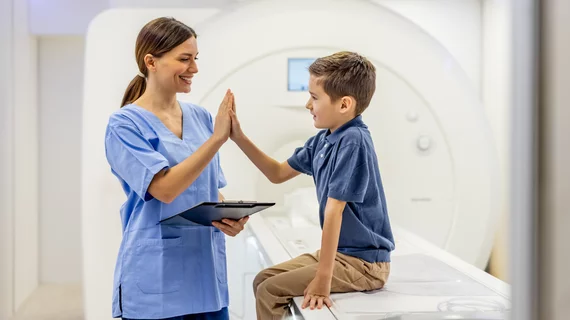
Radiologists use diagnostic imaging to non-invasively look inside the body to help determine the causes of an injury or an illness, and confirm a diagnosis. Providers use many imaging modalities to do so, including CT, MRI, X-ray, Ultrasound, PET and more.
Chest CT is routinely performed for things like lung cancer screening, coronary calcium assessment and pulmonary nodule surveillance, but the modality also can be used to extract additional information.
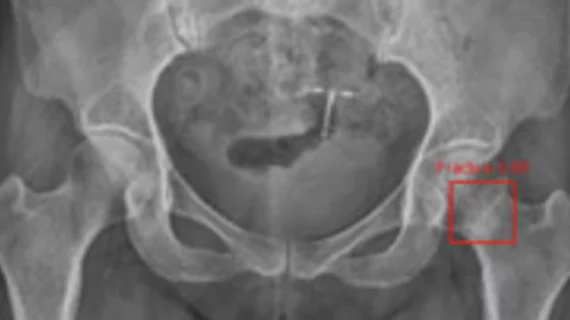
By highlighting subtle abnormalities that could otherwise be overlooked, an algorithm could potentially serve as an additional safety net when radiographic findings are indeterminate.
X-ray, radiology's bread and butter, is very much back on the radar screen of smart physicians and administrators seeking to improve imaging quality while streamlining workflow and productivity.
Ease of use, more applications and faster, faster, faster is the battle cry of doctors and administrators needing an overhaul on their workstations - and RSNA brought a variety of enhancements to fulfill all needs.
The Centers for Medicare and Medicaid Services (CMS) has issued a request for information (RFI) from vendors regarding technology requirements for a proposed plan which would enable it to send messages to physicians and other healthcare providers that can
Siemens Medical Solutions has unveiled the Somatom Sensation 40, rounding off what it calls its high-end product portfolio in computed tomography (CT).
A new report from IDC said Network Appliance has grown revenue in the fibre channel storage area network (FC SAN) market 95 percent versus the market growth of 16.3 percent.