Radiologists use diagnostic imaging to non-invasively look inside the body to help determine the causes of an injury or an illness, and confirm a diagnosis. Providers use many imaging modalities to do so, including CT, MRI, X-ray, Ultrasound, PET and more.
Chest CT is routinely performed for things like lung cancer screening, coronary calcium assessment and pulmonary nodule surveillance, but the modality also can be used to extract additional information.
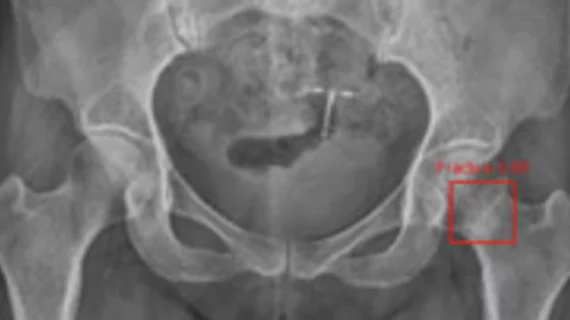
By highlighting subtle abnormalities that could otherwise be overlooked, an algorithm could potentially serve as an additional safety net when radiographic findings are indeterminate.
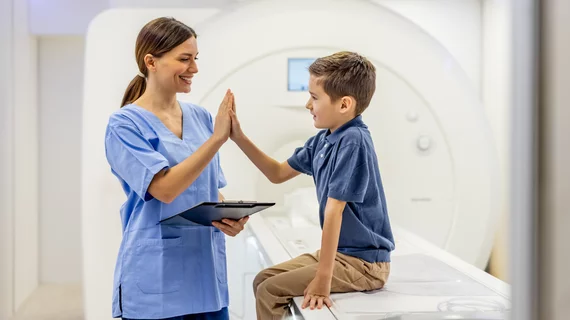
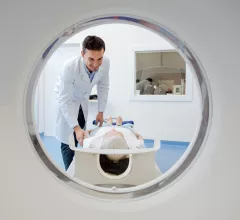
New research out of the University of Colorado School of Medicine has shown that “fast MRI” can effectively identify traumatic brain injuries in kids—a good alternative to CT scanning.
MRI can predict the severity of one of the most frequent tumors of the central nervous system, according to a recent study published in Clinical Radiology. Researchers believe it may help tailor a patient’s management plan.
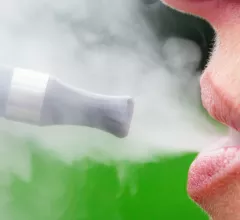
New research published in the New England Journal of Medicine has linked e-cigarette use to a cluster of respiratory illness cases identified on CT scans. The results add to the growing concern that vaping may cause lung damage, an idea manufacturers of vaping products have downplayed.
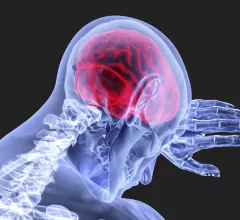
A novel blood test can identify mild traumatic brain injuries (TBIs) that don’t exhibit normal concussive symptoms on CT scans, according to new research published Aug. 23 in The Lancet Neurology.
Enhanced dual-energy CT (DE-CT) can help distinguish lung squamous cell carcinoma from adenocarcinoma, reported authors of a new study published in Academic Radiology.
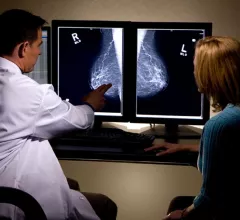
New research published in Radiology has found that screening mammography use is highest in coastal cities, while cities within mountain states are lagging behind.
There’s a strong case to be made for mammography to become a “dual test” for both breast cancer screening and cardiovascular disease (CVD) prevention, according to a new review published in the European Journal of Radiology.
The method—dual-energy CT virtual non-calcium (VNCa) imaging—can remove calcium from CT data and produce a quantitative assessment of injuries in the largest and most complex joint in the human body.