Diagnostic screening programs help catch cancer, abnormalities or other diseases before they reach an advanced stage, saving lives and healthcare costs. Screening programs include, lung, breast, prostate, and cervical cancer, among many others.
New research could provide useful information for cancer registries and potentially help policymakers better evaluate screening outcomes to develop more effective guidelines.
Former SCCT president Ed Nicol, MD, knows there has been interest in the potential of automated CT exams. However, he isn't so sure they are possible at this point in time for a number of reasons.
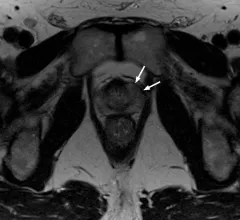
An international panel of experts recently developed and validated a reporting assessment scoring system that analyzes the location and extent of prostate cancer recurrence.
Outside of the correlation between measurements obtained using both modalities, the researchers also identified Hounsfield unit thresholds that could reliably rule out osteoporosis.
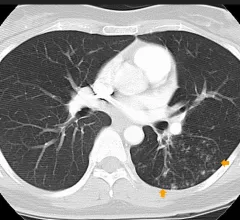
"This awareness is important to avoid oversight of symptoms like dyspnea and vague chest discomfort, which can easily be interpreted as symptoms caused by the known disease COPD,” experts involved in the study said.
Of the 51 plans, just 31% were consistent with the USPSTF recommendations pertaining to the starting age and frequency of screening women who are at average risk of developing breast cancer.
Although current guidelines recommend radiologists evaluate CAC on all non-gated, non-contrast chest CT scans, the authors of the study note that these guidelines are not consistently followed.
The results of a survey completed by more than 13,000 respondents who were eligible for the cancer screening revealed that less than 2% of eligible participants underwent CTC exams.