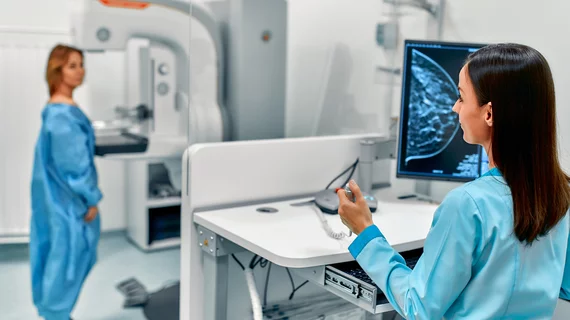
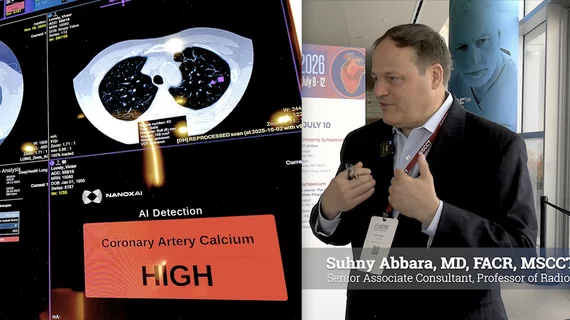
Diagnostic screening programs help catch cancer, abnormalities or other diseases before they reach an advanced stage, saving lives and healthcare costs. Screening programs include, lung, breast, prostate, and cervical cancer, among many others.
New research could provide useful information for cancer registries and potentially help policymakers better evaluate screening outcomes to develop more effective guidelines.
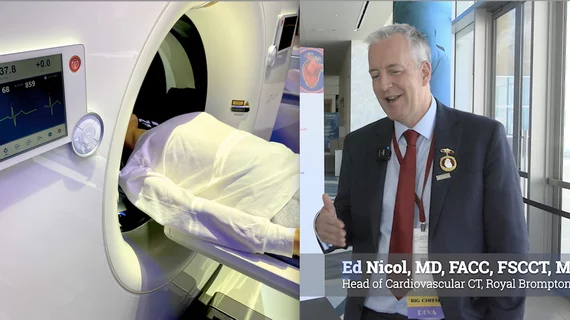
Former SCCT president Ed Nicol, MD, knows there has been interest in the potential of automated CT exams. However, he isn't so sure they are possible at this point in time for a number of reasons.
Also, up to 26% of eligible women have not had a formal conversation with their physician regarding their breast cancer risks, despite current guidelines that suggest these discussions start sooner rather than later.
Social vulnerability index scores account for factors like socioeconomic status, household composition, disability, minority status, language, housing type and transportation.
Researchers found that cancer risk in premenopausal women with fatty breasts at initial imaging nearly doubled if an increase in density was observed during their second and third mammograms.
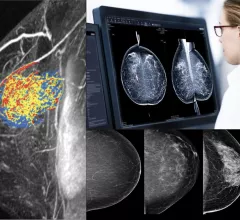
This image gallery shows examples from various breast imaging modalities, including digital breast tomosynthesis, ultrasound and breast MRI, in addition to clinical presentations of breast cancer and other pathologies.
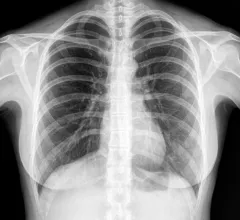
A new artificial intelligence system can detect active tuberculosis on chest radiographs with accuracy comparable to radiologists, a recent paper in Radiology reports.
Experts compared the cortical thickness of three bones—the radius, tibia and second metatarsal—of 200 volunteers who had undergone prior bone mineral density measurements to evaluate the ultrasound method’s accuracy.