Diagnostic screening programs help catch cancer, abnormalities or other diseases before they reach an advanced stage, saving lives and healthcare costs. Screening programs include, lung, breast, prostate, and cervical cancer, among many others.
New research could provide useful information for cancer registries and potentially help policymakers better evaluate screening outcomes to develop more effective guidelines.
Former SCCT president Ed Nicol, MD, knows there has been interest in the potential of automated CT exams. However, he isn't so sure they are possible at this point in time for a number of reasons.
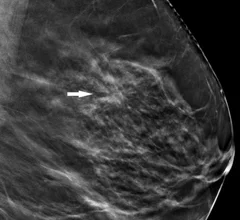
Nearly 20% of the women included in the study did not complete their follow-up imaging at all, and out of the 3,648 women who did adhere to additional imaging, 23.3% delayed their exams beyond the recommended 60-day period.
Women who skipped screening due to financial concerns outnumbered those who were not screened due to logistical issues such as scheduling and transportation conflicts, new survey data reveals.
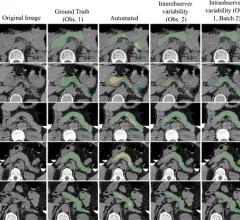
Individuals at high risk of pancreatic cancer benefit from annual imaging and have decreased mortality rates compared to those who forgo preventive screening.
In the June 29 announcement, the ACR revealed CMS said the additional evidence provided to them was “insufficient” to support the reconsideration of their non-coverage decision.