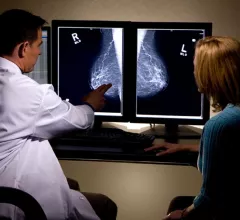
Diagnostic screening programs help catch cancer, abnormalities or other diseases before they reach an advanced stage, saving lives and healthcare costs. Screening programs include, lung, breast, prostate, and cervical cancer, among many others.
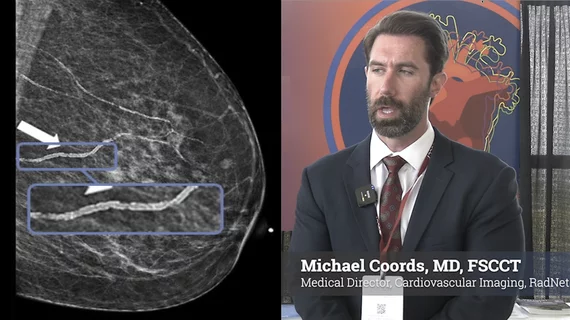
The law reflects growing interest in using existing imaging studies to identify cardiovascular disease risk without requiring additional scans, radiation exposure or costs.
New research could provide useful information for cancer registries and potentially help policymakers better evaluate screening outcomes to develop more effective guidelines.
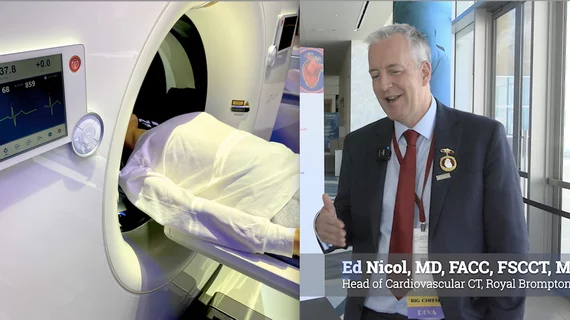
Former SCCT president Ed Nicol, MD, knows there has been interest in the potential of automated CT exams. However, he isn't so sure they are possible at this point in time for a number of reasons.
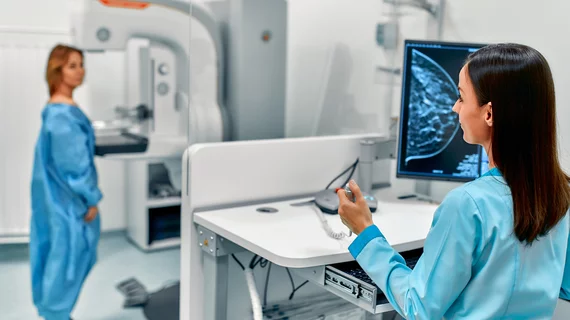
Researchers reported that the artificial intelligence system was able to interpret more than 114,000 screening mammograms using a reading protocol with high sensitivity and specificity.
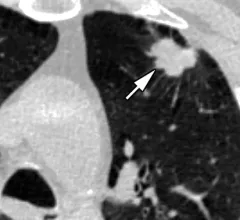
These findings underscore the need for better implementation of shared decision-making (SDM) models, as well as more thorough counseling documentation, as low-dose CT (LDCT) lung screen coverage is dependent on these factors, experts suggested.
The downward trend in annual mammography adherence should serve as a call to action for new processes to engage breast cancer survivors, physicians urged.