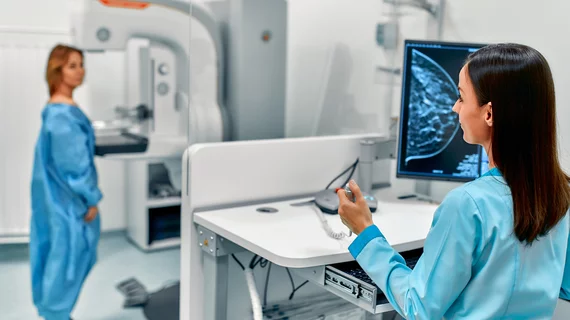
Diagnostic screening programs help catch cancer, abnormalities or other diseases before they reach an advanced stage, saving lives and healthcare costs. Screening programs include, lung, breast, prostate, and cervical cancer, among many others.
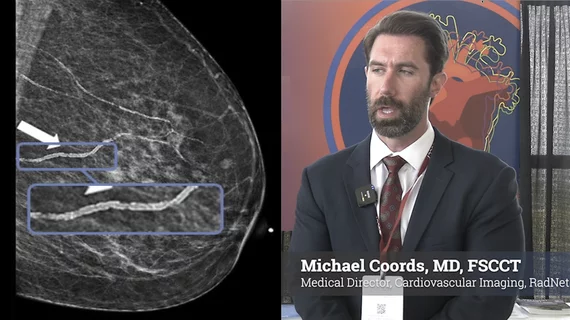
The law reflects growing interest in using existing imaging studies to identify cardiovascular disease risk without requiring additional scans, radiation exposure or costs.
New research could provide useful information for cancer registries and potentially help policymakers better evaluate screening outcomes to develop more effective guidelines.
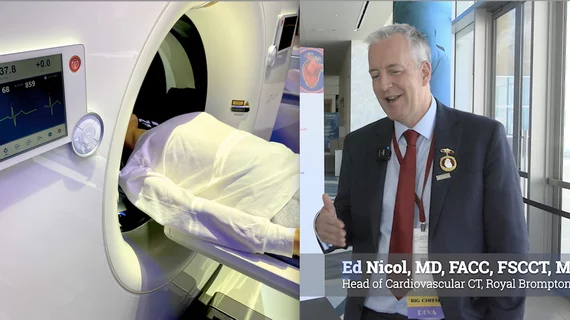
Former SCCT president Ed Nicol, MD, knows there has been interest in the potential of automated CT exams. However, he isn't so sure they are possible at this point in time for a number of reasons.
Though the study of AI in lung cancer screening is not new, prior research has been retrospective in nature, making it challenging to determine the impact.
Lung cancer remains the leading cause of cancer-related deaths in the United States. It is estimated that it claims approximately 125,000 lives in the U.S. every year.
New findings published in RSNA's Radiology highlight the shortcomings of using nodule characteristics and patient history alone to predict an individual’s true cancer risk.