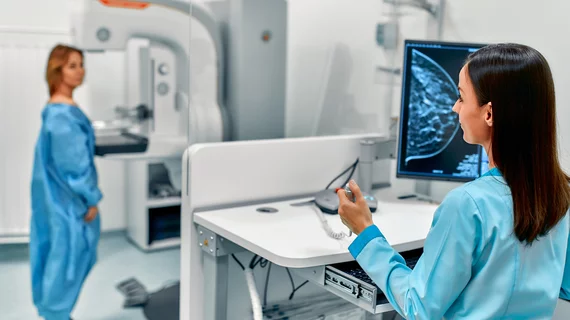
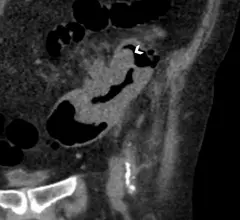
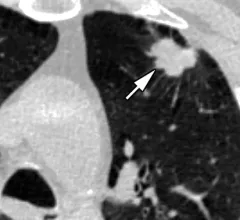
Diagnostic screening programs help catch cancer, abnormalities or other diseases before they reach an advanced stage, saving lives and healthcare costs. Screening programs include, lung, breast, prostate, and cervical cancer, among many others.
New research could provide useful information for cancer registries and potentially help policymakers better evaluate screening outcomes to develop more effective guidelines.
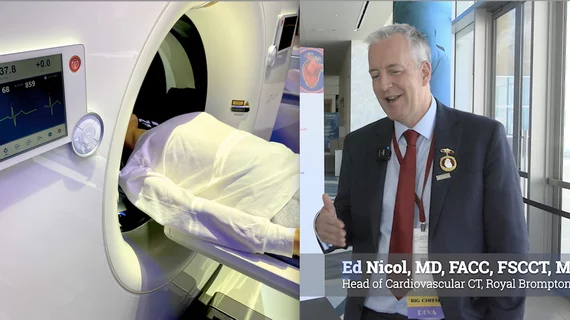
Former SCCT president Ed Nicol, MD, knows there has been interest in the potential of automated CT exams. However, he isn't so sure they are possible at this point in time for a number of reasons.
Chest X-rays could be the key to mitigating the issue of overdiagnosis in certain patient populations undergoing lung cancer screening, according to new research.
Reducing false positives could decrease the frequency of unnecessary procedures, lower the associated costs and also ease patient anxiety concerning CT results.