Diagnostic screening programs help catch cancer, abnormalities or other diseases before they reach an advanced stage, saving lives and healthcare costs. Screening programs include, lung, breast, prostate, and cervical cancer, among many others.
New research could provide useful information for cancer registries and potentially help policymakers better evaluate screening outcomes to develop more effective guidelines.
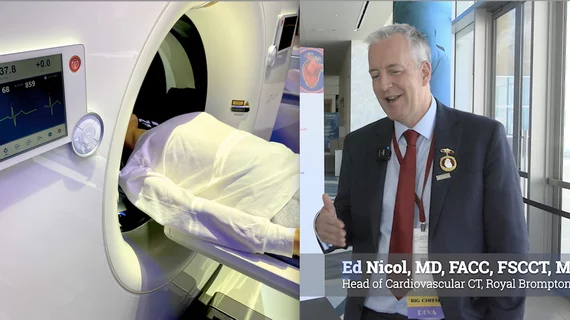
Former SCCT president Ed Nicol, MD, knows there has been interest in the potential of automated CT exams. However, he isn't so sure they are possible at this point in time for a number of reasons.
Those who received customized messages pertaining to their risk of developing colorectal cancer are 34% more likely to complete the screening than those who are offered standard referrals, research shows.
Non-white individuals and people living in less educated, lower income areas are more likely to receive an advanced lung cancer diagnosis, such as stage 4 disease.
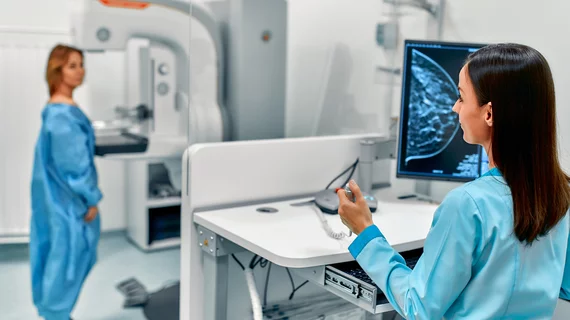
Digital breast tomosynthesis exams produce fewer false positive results than standard two-dimensional mammography, though not substantially, experts shared recently in JAMA Open Network.
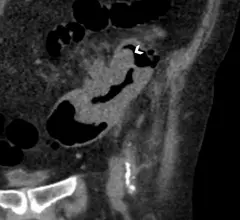
Extracolonic findings observed on computed tomography colonography scans of cancer patients might identify undetected malignancies more often than previously thought, according to a new study in Clinical Imaging.
Current bone age-based methods of growth prediction in children are inaccurate and frequently overestimate final height, experts explained in Radiology.
In a new video, Evans Pappas, MD, and Sujith Kalathiveetil, MD, both of Duly Health and Care in suburban Chicago, explain the shift toward office-based cardiac CT evaluations and the role of FFR-CT.
The bills update the ages at which insurance carriers are required to cover screening mammograms and add language that includes tomosynthesis in the definition of mammographic screening.
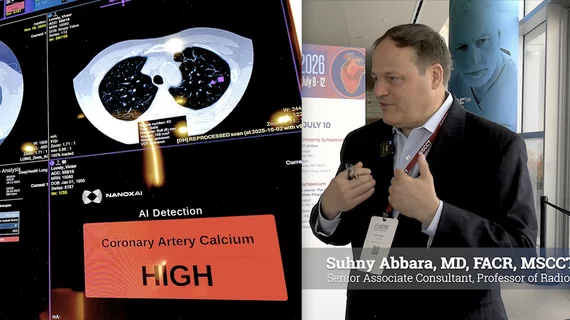
Research published recently in BMC Pulmonary Medicine examined associations between findings on low dose computed tomography screenings and other conditions, such as cardiovascular, respiratory and oncologic diseases.