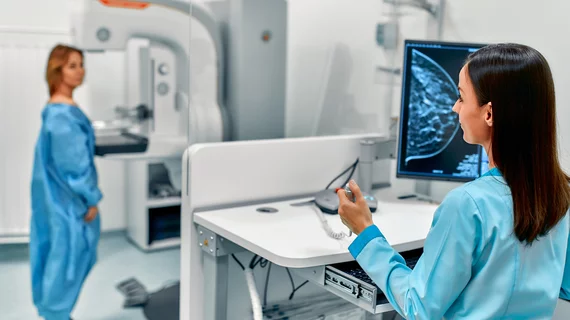
Diagnostic screening programs help catch cancer, abnormalities or other diseases before they reach an advanced stage, saving lives and healthcare costs. Screening programs include, lung, breast, prostate, and cervical cancer, among many others.
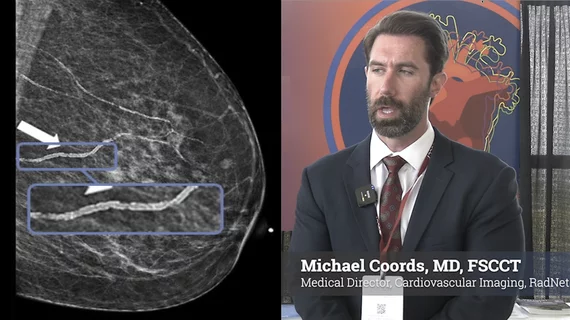
The law reflects growing interest in using existing imaging studies to identify cardiovascular disease risk without requiring additional scans, radiation exposure or costs.
New research could provide useful information for cancer registries and potentially help policymakers better evaluate screening outcomes to develop more effective guidelines.
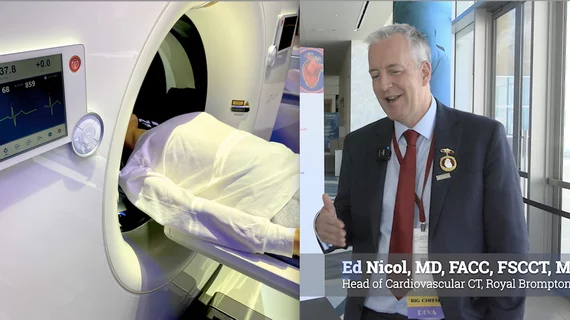
Former SCCT president Ed Nicol, MD, knows there has been interest in the potential of automated CT exams. However, he isn't so sure they are possible at this point in time for a number of reasons.
COVID-19 can show up incidentally when a patient’s lungs are partially readable on CT scans of the abdomen or neck. And the findings can help identify patients who should be strictly quarantined.
What personal protective equipment (PPE) should be worn when transporting a hospitalized patient with suspected or confirmed COVID-19 to radiology for imaging that cannot be performed in the patient room?
Digital breast tomosynthesis did lower recall rates and improve cancer detection overall, but there was "wide variability" among individual imaging experts.
Individuals may test positive for the virus even after stringent imaging and lab testing suggest they have recovered and are fit to leave the hospital, researchers reported in JAMA.