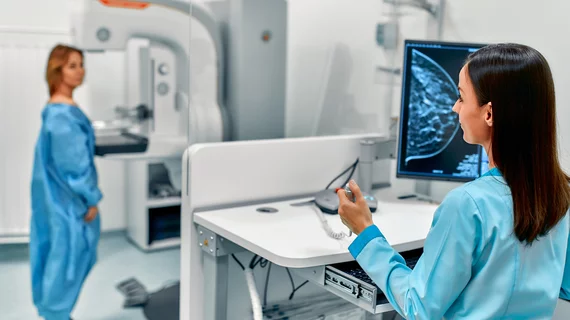
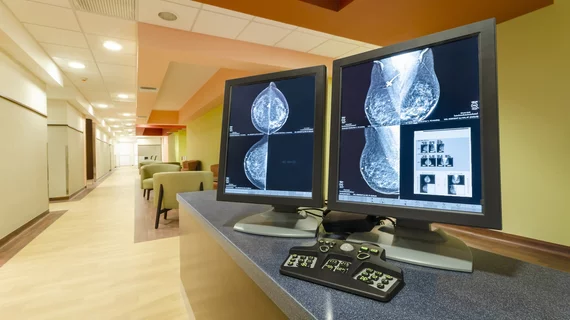
Women’s imaging encompasses many radiology procedures related to women and the diseases that are most prevalent to women such as breast cancer or gynecological issues. Mammogram, breast ultrasound, breast MRI and breast biopsy are the most commonly used procedures.
New research could provide useful information for cancer registries and potentially help policymakers better evaluate screening outcomes to develop more effective guidelines.
Questions about menopause, oral contraceptive use and hormone replacement therapy should all be part of the conversation when evaluating a woman's cardiovascular health.
A new review led by UCLA researchers examines the utility of commercially available AI tools for screening mammography and evidence surrounding their ability to detect interval cancers.
Arlene Sussman, MD, medical director with vRad, explains a telebreast imaging system that allows patients direct video consults with a remote radiologist just after their exams to increase personalized care and answer questions immediately.
These findings could be beneficial for women with dense breasts, which increase the risk of developing cancer while making it significantly more difficult to detect.
A multidisciplinary team of breast radiologists, nurses, patient navigators, medical assistants and technologists worked to implement the program at Denver Health.
Hospitals are seeking to carve out women’s imaging into a separate capability, with mammo expected to see 9% volume growth through 2028, experts estimate.
In a nationwide survey of 3,500 patients, those with higher electronic health literacy, educational attainment or of a younger age were “significantly” likelier to see AI as beneficial.
"This legislation imposes new and costly insurance mandates on private health plans that will ultimately raise insurance premiums for working families and small businesses," said Gov. J. Kevin Stitt.