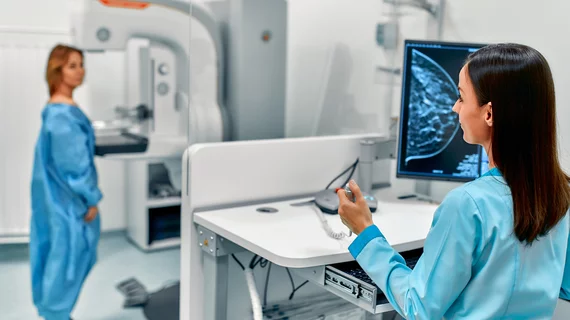
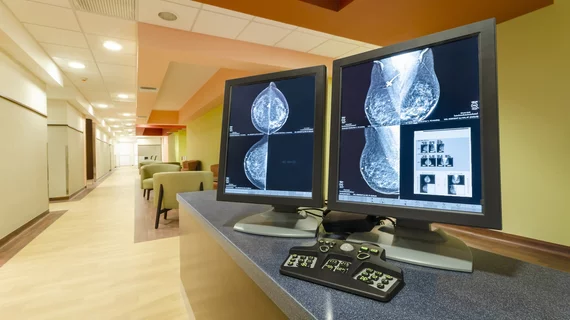
Women’s imaging encompasses many radiology procedures related to women and the diseases that are most prevalent to women such as breast cancer or gynecological issues. Mammogram, breast ultrasound, breast MRI and breast biopsy are the most commonly used procedures.
New research could provide useful information for cancer registries and potentially help policymakers better evaluate screening outcomes to develop more effective guidelines.
Questions about menopause, oral contraceptive use and hormone replacement therapy should all be part of the conversation when evaluating a woman's cardiovascular health.
A new review led by UCLA researchers examines the utility of commercially available AI tools for screening mammography and evidence surrounding their ability to detect interval cancers.
Advances in treatment are often credited with improving breast cancer outcomes, but new findings suggest the decrease in mortality may actually be due to improved screening initiatives.
Sens. Tammy Baldwin, D-Wis., and Susan Collins, R-Maine, have reintroduced the Screening for Communities to Receive Early and Equitable Needed Services (SCREENS) for Cancer Act.
The Marlborough, Mass., vendor rejected the offer from TPG and Blackstone but left the matter open to continued negotiations, according to the Financial Times.
It is widely agreed that women with dense breast tissue should undergo supplemental imaging in addition to their routine mammogram screening, but the jury is still out on which modality is best for cancer detection in this group.
Gov. Ron DeSantis recently signed S.B. 158 into law following its approval by the Florida legislature, while Ohio lawmakers also have proposed a similar bill.