Radiologists use diagnostic imaging to non-invasively look inside the body to help determine the causes of an injury or an illness, and confirm a diagnosis. Providers use many imaging modalities to do so, including CT, MRI, X-ray, Ultrasound, PET and more.
Chest CT is routinely performed for things like lung cancer screening, coronary calcium assessment and pulmonary nodule surveillance, but the modality also can be used to extract additional information.
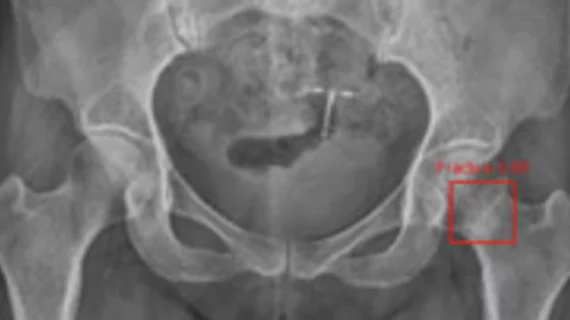
By highlighting subtle abnormalities that could otherwise be overlooked, an algorithm could potentially serve as an additional safety net when radiographic findings are indeterminate.
Frost & Sullivan has released new analysis into the impact of newer modalities such as computer tomography (CT) and magnetic resonance imaging (MRI) on the use of cardiac and vascular x-ray-based diagnostic procedures.
Marketing and research consulting firm IMV Medical Information Division Inc. has released a report that estimates 24.2 million MRI (magnetic resonance imaging) procedures were performed in 2003 in the U.S., an increase of 10 percent over the 2002 total of
Connect Imaging Inc. this week introduced DVDCopy a stand-alone system that allows PACS (picture archiving and communications systems) users to keep archived copies of imaging studies offsite, one of the security requirements of HIPAA (Health Insurance Po
AMICAS Inc. has announced the 2005 AMICAS PACS Road Show - an educational forum for radiologists, CIOs, IT directors, radiology managers and PACS administrators during which the company's Vision Series PACS will be demonstrated.